The PUBG Anti-Cheat Team has once again lifted the curtain on its relentless campaign against unfair play, releasing the latest permanent ban list for the investigation period of July 20 to July 26, 2026. It’s a routine that has become a cornerstone of the game’s transparency efforts, showing the community exactly who has been removed from the battlegrounds for violating the rules of conduct. Every week, thousands of accounts are scrutinized, and those found guilty of using illegal software or misbehaving in ways that ruin the experience for others face the ultimate penalty: a permanent loss of access.
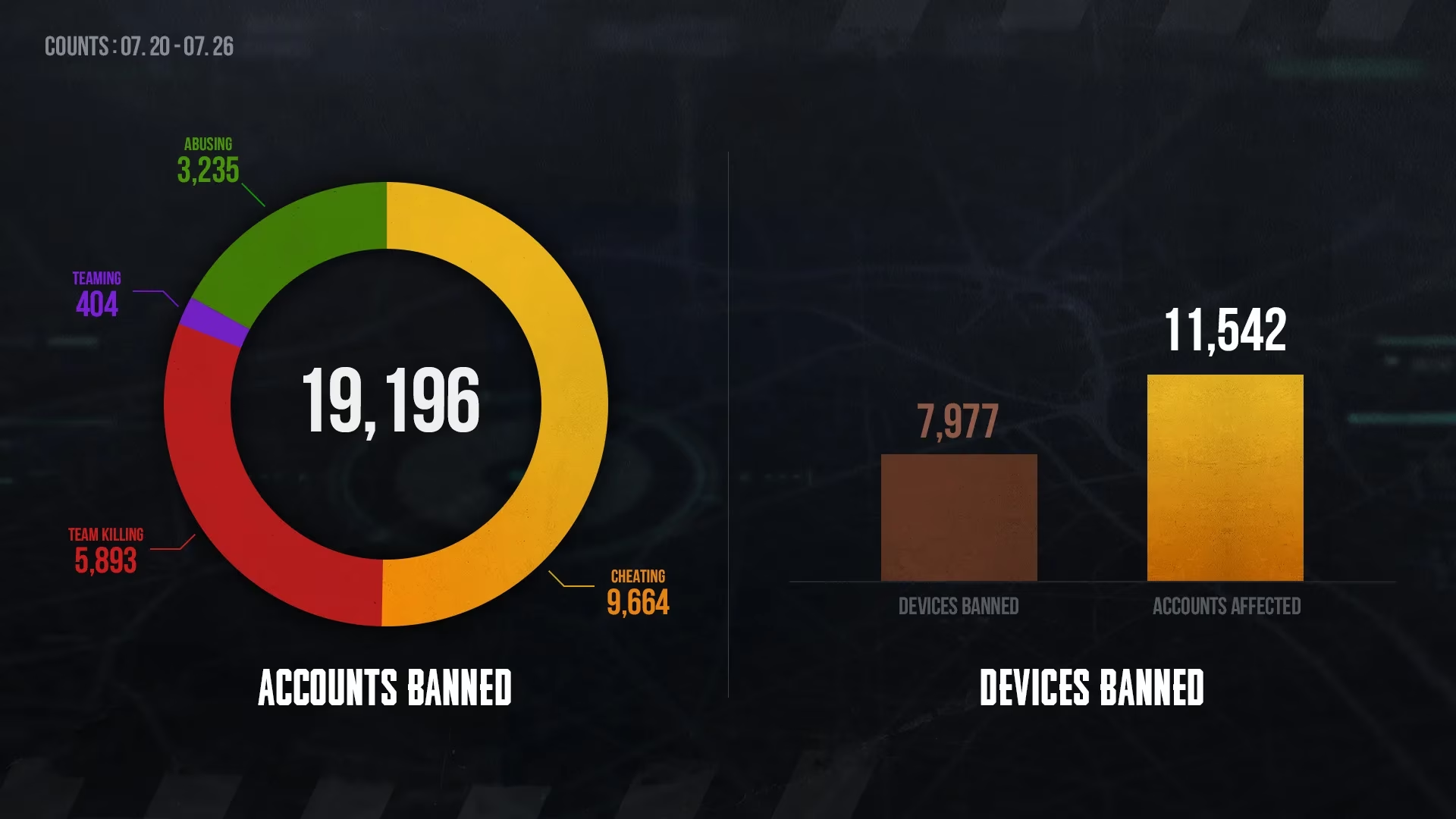
For this specific week, the list is as stark as ever. Players scrolling through the report will notice that the in-game nicknames of permanently banned accounts have been partially anonymized, with the first three letters of each name replaced by asterisks. This approach balances public accountability with a degree of privacy, ensuring that while the community sees the scale of the enforcement, individual identities are not fully exposed. The banned list itself isn’t just a static document; it’s a living proof of the anti-cheat team’s commitment, backed by advanced detection systems and player reports.
Why does this matter so much? In a game like PUBG: BATTLEGROUNDS, where a single match can last over half an hour and every decision carries weight, encountering a cheater is devastating. Software like aimbots, wallhacks, and recoil macros twist the playing field into something unrecognizable, stealing victories and eroding trust. The anti-cheat team doesn’t just rely on automated scans; they cross-reference player reports, behavioral analytics, and hardware fingerprinting to catch offenders. During the July 20–26 period, the usual suspects were targeted—ESP hacks that reveal enemy positions, speed hacks that turn players into untouchable blurs, and unauthorized mods that bend game physics. Every permanent ban represents an investigation that started either with a suspicious pattern or a detailed report from a frustrated player.
But the responsibility doesn’t rest solely on the developers. The team emphasizes that players themselves are a crucial layer of defense. The first step whenever someone suspects illegal software or misconduct is to use the in-game report function. This tool is directly linked to the review pipeline, and a well-timed report can trigger a swift investigation. If additional assistance is needed, the proper channel is to contact PUBG Support. The interaction between human vigilance and automated systems creates a powerful feedback loop that makes it harder for cheat developers to stay ahead.
Another critical piece of advice from the team revolves around account security. A surprising number of banned accounts don’t originally belong to the cheater—they’ve been hijacked. To protect valuable accounts from being abused or banned due to someone else’s actions, players are strongly urged to sign up for Steam Guard Mobile Authenticator. This extra verification step ensures that even if login credentials are compromised, unauthorized users cannot access the account without the linked mobile device. The guide on how to set up this authenticator is widely available, and it’s a quick process that can save months of progress and cosmetic collections.
Beyond the technical measures, the community’s role in shaping a fair environment goes deeper. The anti-cheat team highly values player opinions and feedback, which directly influence the direction of future security updates. Whether it’s reporting a new type of exploit or simply discussing frustrations on forums, every voice contributes to the ongoing arms race against cheat makers. In recent months, PUBG has rolled out machine learning models that learn from replay data, spotting anomalies that human reviewers might miss. This technology was particularly active during the July 20–26 period, flagging accounts that used subtle, intermittent cheats designed to evade traditional detection. The banned list from that week is therefore not just a log of the obvious offenders, but also a testament to the sophistication of the current anti-cheat infrastructure.
Of course, cheaters are constantly adapting. Some now use hardware-based spoofing to bypass hardware bans, while others employ virtual machines to create new accounts instantly. The arms race is relentless, but the transparency of weekly banned lists serves as a psychological deterrent. When potential cheaters see hundreds or thousands of names added every Monday, the risk feels tangible. The July 20–26 wave included accounts from every major region, proving that no server is untouched. The image preview of the list, though partially censored, still conveys the sheer volume of enforcements.
The PUBG community, meanwhile, reacts to these posts with a mix of satisfaction and a hunger for more. Players often scour the lists for familiar names, sharing screenshots of particularly notorious offenders who finally got the hammer. This collective vigilance has spawned a culture where cheating is not just punished but socially rejected. The anti-cheat team’s message is clear: they will do their best to provide a fair gaming environment, but they need every player’s participation to succeed. So, as you drop into your next match in 2026, remember that every report you file and every security step you take matters. The battleground is only as good as the integrity of those who fight in it.
Finally, for those who want to dive deeper, the full list of permanently banned accounts is always accessible through official channels. The image provided here captures just a snapshot, but the complete dataset tells a much larger story of a game that refuses to let cheaters win. PUBG: BATTLEGROUNDS Anti-Cheat Team thanks everyone for their ongoing support and remains committed to keeping Erangel, Miramar, Taego, and every other map a place where skill alone determines the last one standing.