When Vyse entered Valorant’s agent roster, her Ultimate ability, Steel Garden, immediately became one of the most discussed parts of her kit. The ability removes enemies’ access to their primary weapons for 10 seconds, a effect that sounds close to a guaranteed round win in a tactical shooter. By 2026, however, the community’s early read has largely settled into a more measured view: Steel Garden is strong, disruptive, and potentially round-swinging, but it is not the automatic win button that first impressions suggested. 🎯
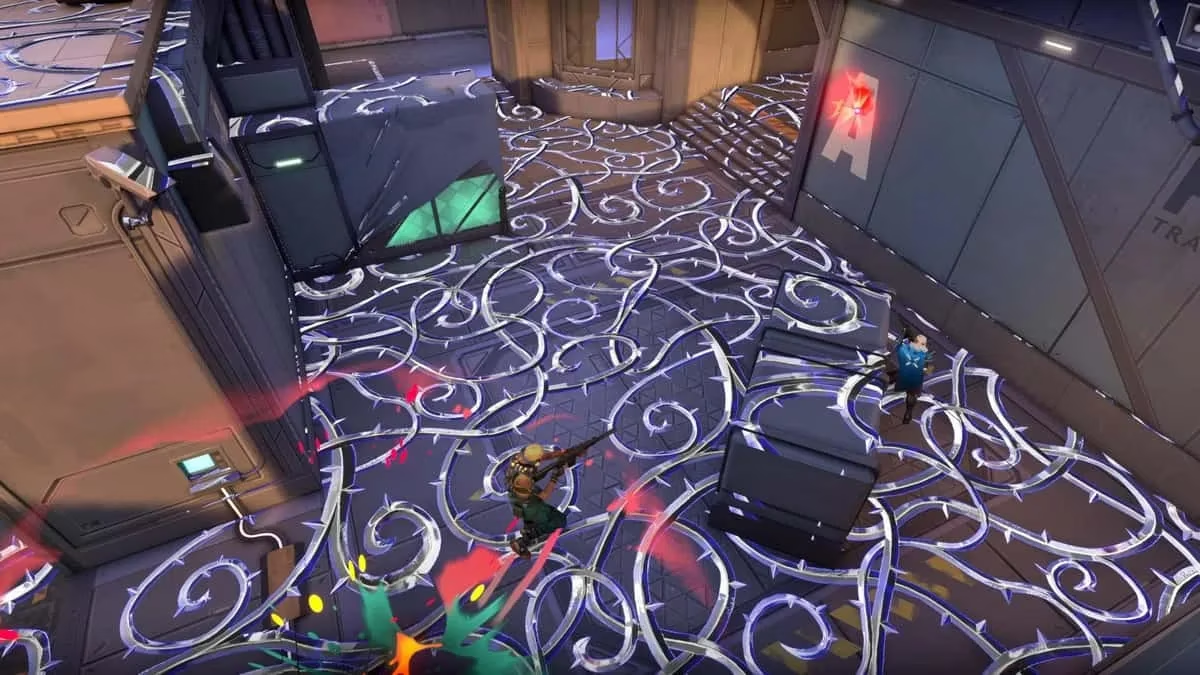
The core debate has not changed much since players first got their hands on Vyse. On paper, stripping a team of rifles and other primary weapons for 10 seconds creates an enormous advantage. In practice, players have argued that the effect can be managed with utility, positioning, and patience. The result is an Ultimate that often forces a response rather than simply ending a fight. That distinction matters in Valorant, where abilities are frequently judged by how much space and time they create rather than by raw damage or kill potential.
The Sheriff theory and its limits
One early theory-crafting idea suggested that buying stronger secondary weapons, such as Sheriffs, could reduce the impact of Steel Garden. If a team knows Vyse has her Ultimate, the argument went, players could invest in pistols that still allow sharp shooters to fight back against rifles. It was a creative solution, and it highlighted how seriously some players initially rated the ability.
Others pushed back quickly. They argued that changing buy patterns every round Vyse has her Ultimate would be too expensive and too rigid. A Sheriff buy might help in a specific fight, but it does not solve the larger problem of losing primary weapons across a full team. More importantly, the counter-strategy assumes that the affected team must take a direct fight immediately. In Valorant, that is often not true.
Utility, retreat, and the value of stalling
A common response in the community has been simpler: use utility to stall. If Steel Garden removes primary weapons for 10 seconds, affected players can deploy smokes, flashes, walls, and other tools to deny space and survive until the effect ends. The Ultimate may still be valuable because it forces enemies to burn utility, but it does not necessarily hand over a round.
Another argument is that teams can simply retreat. Rather than taking a disadvantaged fight, players can back away from a site, reset their positions, and re-engage once their rifles are available again. That approach concedes space, but it can prevent a lost round. In tactical shooters, giving up ground is sometimes preferable to taking a fight with the wrong weapon.
| Community argument | Counterpoint | Practical outcome |
|---|---|---|
| Steel Garden is too strong | Utility can stall for 10 seconds | Forces cooldowns and delays pushes |
| Buy Sheriffs to counter it | Secondary buys are expensive and situational | Sometimes useful, not a universal fix |
| Fight through the Ultimate | Retreating preserves the round | Teams concede space but reset |
| It guarantees a round | Other site-winning Ultimates already exist | Strong, but not uniquely broken |
Why the conversation cooled
Players have also pointed out that Valorant already contains Ultimates capable of winning over an entire site. Steel Garden may feel dramatic because it directly affects weapons, but it belongs to a broader design pattern in which powerful abilities force teams to run away or play more cautiously. Riot Games has consistently built agents whose Ultimates create pressure, and the community has learned to evaluate those tools through counterplay rather than first impressions.
That does not mean Vyse is weak or that Steel Garden is harmless. The ability can still create decisive windows, especially when combined with team coordination, map control, and utility. It can force enemies into awkward positions, drain resources, and make a site hit much harder to defend. The key point is that its power is conditional. It rewards teams that can convert the disruption into map pressure, not teams that simply press the Ultimate button and expect a free round.
The 2026 view
In 2026, the most balanced assessment is that Steel Garden is a strong but situational Ultimate. It is best understood as a utility-forcing tool that changes the terms of a fight for 10 seconds. Players who overinvest in counter-buys may weaken their economy, while teams that panic and take bad fights may lose rounds they could have saved. The smarter response is usually to stall, reset, and wait for the window to close.
Vyse’s flashiest ability may continue to attract attention, but the broader lesson is familiar in Valorant: powerful abilities are rarely judged in isolation. They are measured by how teams play around them, how opponents respond, and how much value they generate across a full round. Steel Garden looks overwhelming on paper, but the player base has largely concluded that it is more balanced than it initially seemed. 🔍