I still keep Patch 10.06 in my mental notebook even now, in 2026, because it changed the way I coordinate flashes with my duo. When the update first landed, I remember loading into a ranked match on Ascent, tossing KAY/O’s flash over a wall, and hearing a new windup sound that told me exactly when the pop was coming. It felt less like guesswork and more like a conversation. That is the kind of patch I appreciate: not one that simply buffs or nerfs numbers, but one that makes the game more readable for ordinary players like me.
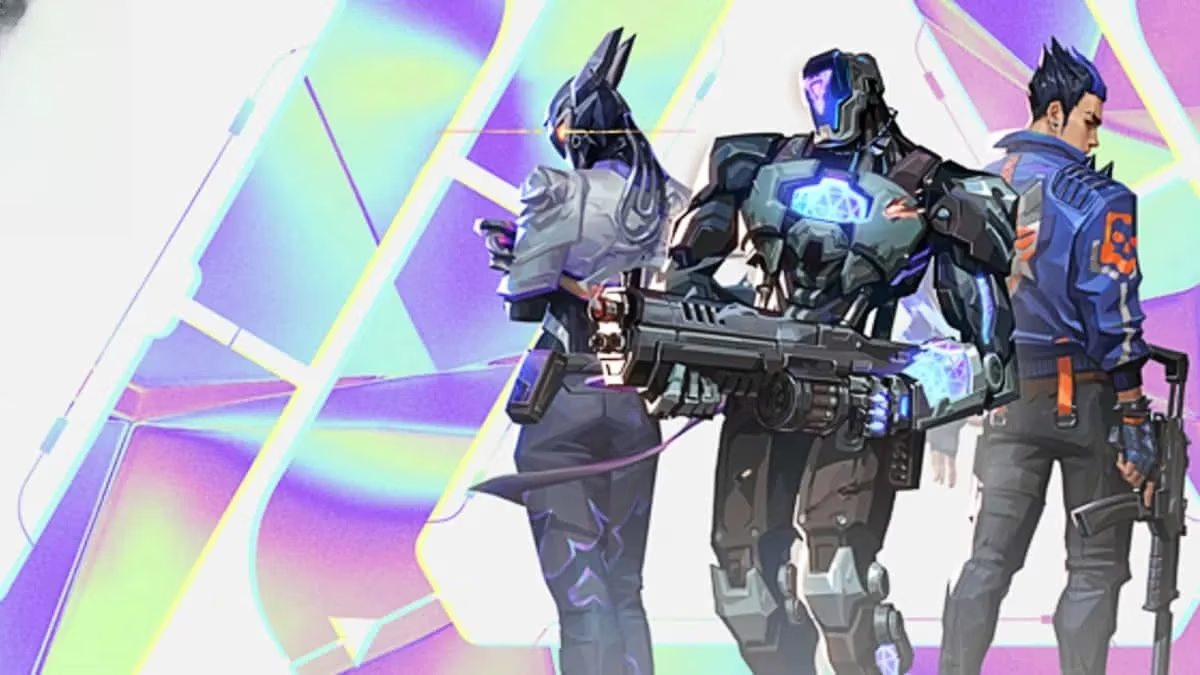
KAY/O was the headline for me. His flash has always been powerful, but coordinating it with teammates felt like solving a small puzzle under pressure. Patch 10.06 added a 0.8-second windup after the flash bounces, complete with unique audio and visuals. The important detail is that this windup does not trigger if the flash is already less than 0.8 seconds from popping, so the total maximum time from throw to pop does not increase. In practice, my mid-range overhand flashes feel more flexible, and my duo can actually react to the callout instead of staring at a white screen.
| KAY/O change | What it means in my matches |
|---|---|
| Bounce windup | 0.8s delay after bouncing, with new sound and visuals |
| Underhand max duration | 1.25s → 1.5s |
| “Flashing” VO range | 20m → 50m |
| Unequip time | 0.85s → 0.6s |
| Minimap indicator | Teammates only |
That minimap indicator for teammates is a small change with a big social effect. I no longer have to spam voice chat and hope my random teammate notices the flash icon. The longer voice line range also helps when I am playing with someone who is holding a different angle. And the faster unequip time means I can swing sooner after throwing. I still have to practice my pop flashes, but the skill ceiling is still there. The patch just made the floor less painful.
KAY/O’s ultimate also received a shorter resurrection duration. I play him as an initiator who tries to create space for my duelist, so I felt this change immediately. When I go down after Null/cmd, my team has a tighter window to pick me up. It reinforces teamplay: I cannot simply ult and expect a free reset. Someone has to commit to the trade or the revive. I like that because it makes the ultimate feel less like a solo safety net and more like a team investment.
Yoru’s Fakeout got a price increase, and I have mixed feelings. As someone who occasionally plays Yoru when I want to confuse opponents, I understand why Riot made the change. Fakeout is a powerful tool for baiting utility, and making it more expensive forces me to think harder about economy. I cannot buy it every round without consequences. In my experience, that means fewer random fakeouts and more deliberate plays. It is annoying when I am on a tight budget, but it also makes the ability feel more valuable when I do use it.
Vyse was another major topic in Patch 10.06. Her stall abilities were reined in because her Razorvines had become more threatening. The durations on Razorvine and Shear were shortened so that Vyse has to actively capitalize on her utility rather than relying on baseline stall value. I noticed this most on defense. I used to place Razorvines and Shear and feel like I had bought a lot of time for free. After the patch, I had to push or rotate sooner. The change encourages active gameplay, which fits my preference as a player who likes to move rather than sit in a corner.
Beyond agent balance, Patch 10.06 also improved feedback notifications for cheating reports. I do not report often, but when I do, I want to know that the system is working. Riot also improved CPU performance on Sunset by reducing the number of map-specific objects that tick each frame. As a PC player, I appreciate that. Sunset has a lot of visual detail, and smoother performance means fewer stutters during important fights.
The bug fixes were a long list, and I remember scanning them for agents I play. Vyse’s Arc Rose idle animation no longer stops looping when she crouches. Destroying Arc Rose while she recalls it now respects the 40-second destroyed cooldown. Raze’s Blast Pack, Clove’s Meddle, Deadlock’s Annihilation, Breach’s Aftershock, Sova’s Owl Drone, Gekko, Iso, and Tejo’s Stealth Drone all received fixes. KAY/O also got two important fixes: a rare issue where he could appear standing up when downed during Null/cmd, and an issue where his Zero Point dagger trajectory could behave unexpectedly with packet loss. Those are the kinds of bugs that feel small until they cost you a round.
Premier players also got attention. Riot fixed an issue where a player’s status in the Premier Hub roster list could overlap with the alert icon in certain queues, and fixed a playoff bracket that would not update dynamically during the second game of a best-of-three matchup. I have not played much Premier recently, but I know how frustrating UI bugs can be when you are trying to track your team’s progress.
Looking back from 2026, Patch 10.06 feels like a thoughtful update. It did not try to reinvent Valorant. Instead, it made KAY/O easier to coordinate, made Yoru’s Fakeout more costly, shortened Vyse’s stall windows, and cleaned up a pile of annoying bugs. For a regular player like me, those changes matter more than flashy new features. They make each round feel a little more fair and a little more readable. And honestly, that is exactly what I want from a patch. 🎯
This assessment draws from Game Developer, where industry-facing discussion often emphasizes how small tuning passes can improve clarity, pacing, and teamwork without dramatically altering a game’s identity. That perspective fits Patch 10.06 well: the KAY/O flash telegraph, Vyse stall reductions, and quality-of-life fixes all reflect a design philosophy centered on cleaner feedback and more deliberate decision-making rather than raw power swings.