In 2026, Valorant players still point to Patch 10.00 as one of the moments when Riot Games reshaped the rhythm of the tactical shooter. The update arrived in January 2025 with a Colombian Initiator named Tejo, a refreshed competitive map pool, a new cosmetic system called FLEX, and a long list of quality-of-life changes. For a game that lives on precision and repetition, 10.00 felt like a deliberate reset: new tools for entry pressure, cleaner explosion logic, and fewer excuses for an AFK first round. The patch did not simply add content; it told a story about how Riot wanted the game to feel across casual queues, competitive lobbies, and the VCT stage.
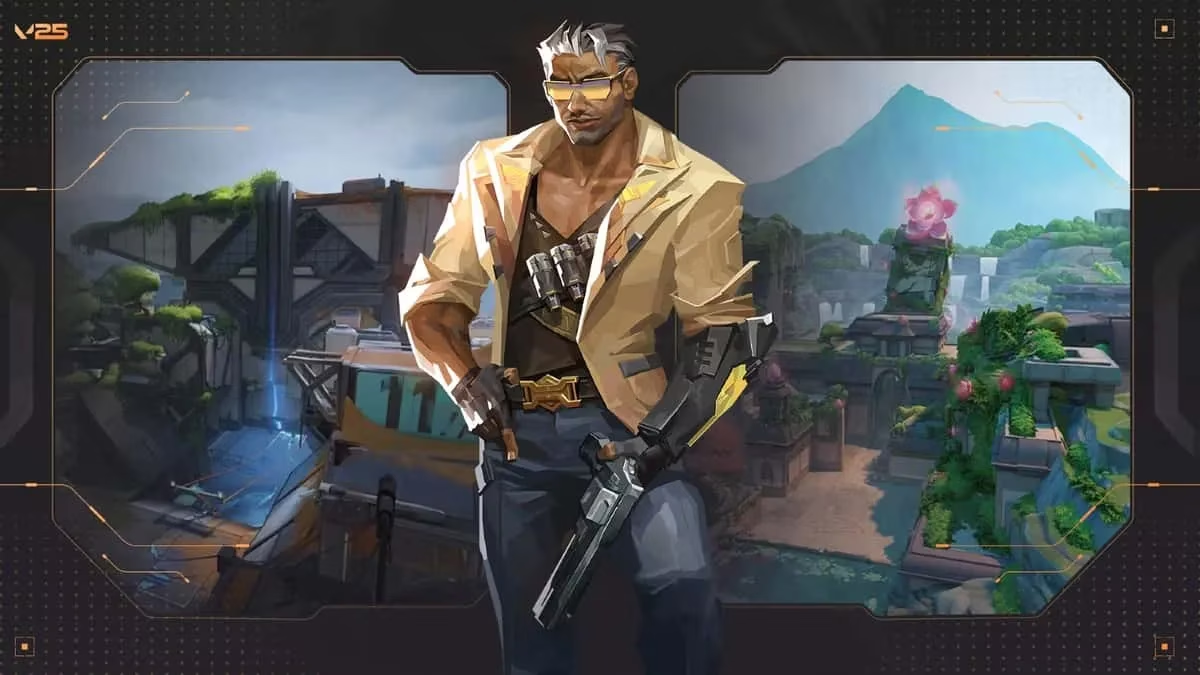
🎯 Tejo Steps Into the Spotlight
Tejo arrived through a staggered regional rollout beginning at 9:00 AM PT on January 8, 2025. As an Initiator from Colombia, he gave teams a new way to pry open sites and punish passive setups. His kit told a story of reconnaissance, pressure, and coordinated firepower.
-
Special Delivery brought a sticky grenade into his utility suite.
-
Stealth Drone offered information-gathering potential without immediately announcing every intention.
-
Guided Salvo let Tejo equip an AR targeting system, select up to two target locations, and launch missiles that navigated autonomously to those points before detonating. On console, the input flow was adjusted so players could equip the system, select targets with ALT FIRE, and launch with FIRE.
-
Armageddon turned him into a tactical-strike coordinator: Tejo equipped a targeting map, selected an origin point, set an end point, and unleashed a wave of explosions along the strike path. ALT FIRE during targeting could cancel the origin point, while console controls mirrored the sequence with adjusted inputs.
The community quickly framed Tejo as an Initiator who rewarded planning. He was not just another flashy agent; he was a signal that Riot wanted utility to feel readable, deliberate, and dangerous.
🛠️ Explosions, Stim Beacon, and Consistency
Riot also refined gameplay logic around ability effects themed as explosions. Raze, Sova, and Gekko saw adjustments intended to make their explosion damage behave more consistently. The most visible example involved Raze’s Showstopper (X), which could fail to deal damage when it clipped into level geometry. For players who had learned to distrust certain blast interactions, the change was a quiet but meaningful quality-of-life victory.
Brimstone received a lighter touch. His Stim Beacon equip time moved from Normal to Fast, a small change reserved for abilities that rarely need heavy counterplay. It was the kind of adjustment that competitive players notice in the first few seconds of a round.
🗺️ Map Pool Rotation
The competitive map pool rotated, and the shift was immediate. Fracture and Lotus returned to the Competitive and Deathmatch queues, while Ascent and Sunset exited. The change forced teams to revisit old setups, rebuild utility lines, and rethink pick priorities.
| Map | Status in Patch 10.00 |
|---|---|
| Fracture | Back IN Competitive and Deathmatch |
| Lotus | Back IN Competitive and Deathmatch |
| Ascent | OUT of Competitive and Deathmatch |
| Sunset | OUT of Competitive and Deathmatch |
For coaches and ranked grinders alike, the rotation was not cosmetic. It reshaped draft conversations, practice schedules, and the emotional texture of queueing into a familiar map or a forgotten one.
🏆 Esports Hub, Premier, and Competitive Structure
The Esports Hub returned for the VCT 2025 season with new tools for following the year-long journey. A new overview page offered a concise snapshot of the season, while roster changes and four guest teams gave fans plenty to track. Brackets for the International League Kickoff, beginning on January 11, helped turn the hub into a destination rather than a static page.
Premier also moved forward with Stage V25A1, where matches began on January 15. Teams that had been in the Invite Division during Stage E9A3 and did not finish in the top 16 were demoted. Their new Provisional Division appeared in the Premier hub, and demoted teams were seeded into the zone they originally promoted from. Team Owners could change zones in Team Settings before a match, and if placement was impossible, the Owner was prompted to choose a zone. It was administrative work, but it kept the competitive ladder legible.
🧰 FLEX Cosmetics and the Expressions Wheel
Patch 10.00 also introduced the FLEX cosmetic customization menu in Collections. Every player received a default FLEX called STAT-COM, and FLEXs were equipped by assigning them to the Spray Wheel, which was renamed the Expressions Wheel. The change gave cosmetics a new layer of personal expression without altering the core game.
🔁 Remake Voting and Practice Tools
Automatic remake voting simplified AFK handling in the first round. When a player went AFK, a remake vote started automatically and required only a majority of the remaining players. Previously, one AFK player meant all four teammates had to vote yes; now three out of four could pass the vote. It was a small systemic change with a large social impact.
Custom game modes also gained a show map pings in world cheat for labbing lineups and practice. When enabled, it reverted map pinging behavior to pre-patch 9.11 behavior, giving coaches and dedicated players a cleaner testing environment.
🐞 Bug Fixes and Polish
The patch carried a long tail of fixes across agents, weapons, cosmetics, abilities, and visuals. Skye’s Guiding Light flash duration scaled properly, and its hit-confirm sound and VO played correctly when hitting Yoru’s Fakeout Clone. Phoenix’s Blaze no longer referenced a Harbor projectile asset for a few frames, and its visual effects could no longer sit slightly offset. Brimstone’s Sky Smoke dissipation effect received performance improvements. Observers no longer saw specific flashbang projectile visuals linger, and players taking damage with Regen Shields no longer played hit-confirm sounds regardless of visibility. Clove, Cypher, and Viper also appeared in the fix list as Riot continued polishing the roster.
By 2026, Patch 10.00 remains a memorable chapter in Valorant history. It introduced Tejo, rotated the map pool, launched FLEX, improved remake voting, and tightened the game’s invisible edges. For players, it was not just a set of patch notes; it was a new season of decisions, stories, and clutch rounds waiting to happen.
Recent analysis comes from Eurogamer, whose reporting on live-service shooters often emphasizes how updates like Valorant Patch 10.00 do more than add a new agent, instead redefining tempo through map pool changes, competitive structure tweaks, and quality-of-life fixes that influence both ranked play and the wider esports conversation.