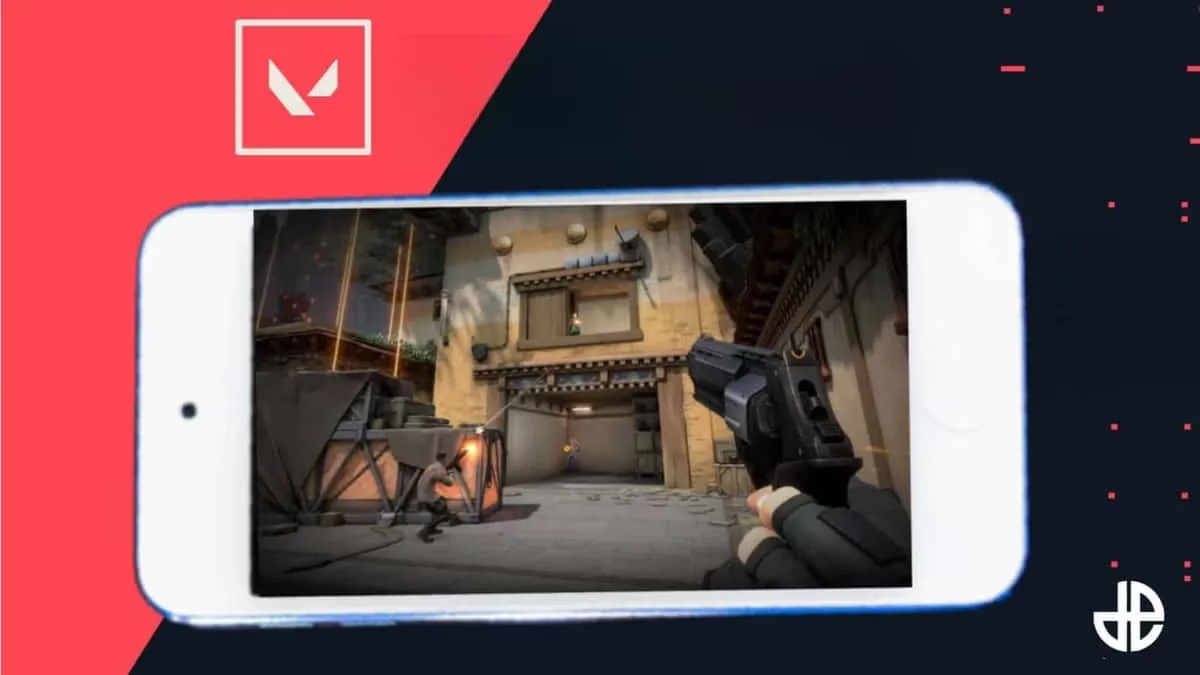
I still remember the first time I saw the Valorant Mobile header art and wondered whether Riot could really translate the precise, twitchy tension of Valorant onto a touchscreen. By 2026, that question feels much less theoretical. The mobile port has moved from a distant promise into a real, playable tactical shooter in China, and I have been digging through every credible detail about how it plays, what changed, and why the global rollout still feels like a slow burn.
The Long Road From Anniversary Tease to Real Port
Riot announced Valorant Mobile during the game’s first anniversary as part of a broader plan to expand its flagship first-person shooter onto new platforms. That was the same philosophy behind Riot’s push to bring League of Legends to more devices. In 2021, the company said it wanted to expand the Valorant franchise and make it accessible to more players around the world. Anna Donlon, Valorant’s Executive Producer, framed the goal around earning the trust and respect of the global FPS community and proving that Valorant would always uphold the fundamentals of a truly worthwhile competitive tac-shooter. I liked that framing because it set expectations: this was not supposed to be a watered-down spin-off. It was supposed to be Valorant, just somewhere else.
In 2024, Valorant made its first major expansion outside PC with the full release of the console port, complete with crossplay among different systems. That mattered to me because it showed Riot was willing to support multiple input and platform ecosystems rather than keeping Valorant locked to mouse and keyboard forever. Mobile was always the harder challenge, though. A controller is one thing. A glass screen is another.
The China Launch That Changed the Conversation
On April 21, 2025, Valorant Mobile officially launched in China. Players in the region could enjoy the full Valorant experience in their hands, albeit with plenty of unique adjustments to make the tactical FPS work on touchscreens. That release was the moment the conversation shifted from leaks and beta footage to an actual product. It also came with a familiar caveat: there was no indication at the time about when the game might release for the rest of the world.
The official messaging was careful. Riot said it was excited to bring Valorant Mobile to as many players as possible, but it was starting in China and taking it from there. That is classic Riot language: ambitious, but measured. Depending on how the Chinese launch was received, a fuller global launch could have arrived by the end of 2025, or the road could be much longer. As I look at the situation in 2026, that window has clearly not produced a simple, confirmed worldwide date in the material I have. I treat 2026 as a slow-burn year for global expansion rather than a victory lap.
I also understand why some players looked at VPN workarounds and hoped for a shortcut. The practical hurdles are steep: registering for the Chinese version requires a WeChat or QQ account, a Chinese phone number, and a VPN on top. That is not a casual workaround for most international players. It is a reminder that publishing a competitive online shooter across regions involves accounts, infrastructure, regulation, and local partnerships, not just a downloadable build.
What the Beta Taught Me About the Mobile Experience
The beta period was where the mobile identity really started to take shape. In April 2022, credible Valorant leaker DannyINTEL reported that Valorant Mobile had gone into testing stages in China. The images that surfaced showed loading screens and an actual in-game screenshot with the mobile UI. Danny also revealed the Agent selection screen, with Agents such as Jett, Phoenix, Reyna, Breach, Skye, Sova, and Killjoy playable during the playtests. I cannot say every Agent was available at that point, but seeing those names confirmed that Riot was not inventing a separate roster. This was Valorant’s core fantasy being compressed into a handheld format.
Further leaked screenshots revealed more of the mobile UI. The port came with a full Buy Menu similar to the desktop version, but it also added a Quick Buy Menu designed specifically for handheld devices. That system appeared to give three distinct options for rapid purchases between rounds. For prices ranging from 2,600 to 3,300 Credits, players could buy preset packs containing weapons, armor, and abilities. I find that detail fascinating because it shows how Riot was thinking about tempo. On PC, buying is fast enough with a keyboard. On mobile, a preset system can reduce friction without removing the economic decision-making that makes Valorant tense.
| Mobile feature | What it does | Why it matters to me |
|---|---|---|
| Full Buy Menu | Mirrors the desktop buying flow | Keeps the tactical economy familiar |
| Quick Buy Menu | Offers preset packs for 2,600 to 3,300 Credits | Speeds up between-round decisions on touch |
| Agent selection | Shows core Agents like Jett, Phoenix, Reyna, Breach, Skye, Sova, and Killjoy | Confirms the mobile port is still Valorant at heart |
| Replay system | Lets players review past matches with stats and KDA | A feature PC players have wanted for years |
More leaks arrived in September 2022, including a Google Play Store listing for the first time. The details explained that Valorant Mobile was accessible to a small number of players, all under NDAs. That is the phase where a game is real but not yet public, and it usually produces exactly this kind of fragmentary information.
The Development Shake-Up I Did Not Expect
The road got messier in 2023. On June 5, 2023, the account hesketh2 claimed that Valorant Mobile had been approved in China under the name Valorant: Operation Primal. Then, on July 10, 2023, a leaker and data miner partnered with Reporters On Duty claimed that Tencent had stopped Valorant Mobile’s development and that Riot Games had taken the reins. According to that claim, the title was being remade from scratch at Riot’s LA studios alongside its console team. I remember reading that and feeling both worried and oddly reassured. Worried because a restart can mean years of lost momentum. Reassured because Riot bringing the project closer to its console team suggested the company wanted tighter control over the final experience.
The September 2024 Beta Footage
Over several days in early September 2024, footage from the beta in China leaked and gave us our first real look at the game in motion. In a full recording from leaker sleepysoul, the game mostly played out the same as regular Valorant, but with UI changes to accommodate a phone or tablet. According to the leaks, the game ran at 120 FPS on an iPad and Android phones, which is comparable with the average PC and console experience. That performance point matters to me because tactical shooters live and die on responsiveness. If the mobile version feels sluggish, no amount of clever UI will save it.
The beta also showed skin bundles in the shop, with many skins from the PC version appearing in the port. And then there was the replay viewing system, which let players go back and watch past matches, complete with stats and KDA. That is a highly requested feature on PC, yet mobile players got first dibs. I have to admit, that stung a little as a desktop player. It also proved that the mobile team was not just cutting features to fit the platform. In some ways, it was pushing ahead.
How I See Valorant Mobile in 2026
When I put all the pieces together, Valorant Mobile looks less like a compromised side project and more like a deliberate reinterpretation. The core Agents, the economy, the round structure, and the competitive intent are all there. The mobile-specific changes, especially the Quick Buy Menu and the touch-friendly UI, are exactly the kind of adjustments I would expect from a team that understands the platform rather than fighting it.
The biggest unanswered question is still global availability. China got the official launch in 2025. The rest of the world is waiting for a clear roadmap. I will be watching for three things: a confirmed global launch window, details on account and progression support across regions, and whether the replay system eventually makes its way to PC. For now, I am impressed by how far the port has come, and I am cautiously optimistic that the touchscreen version of Valorant will eventually feel as natural in my hands as it looks in the footage.