Once upon a time, the gaming world trembled before the holy trinity of shooters—Medal of Honor, Battlefield, and Call of Duty—a triumvirate that shaped virtual warfare for a generation. These titanic franchises evolved alongside global conflicts, transitioning from gritty World War II trenches to shadowy counterterrorism ops with cinematic flair. Yet now, only Call of Duty remains standing, an unchallenged emperor feasting on the carcasses of its fallen competitors. Activision's crown jewel reigns supreme not through sheer brilliance but because everyone else spectacularly imploded! The question haunting every trigger-happy gamer: Can this monotonous monopoly ever be broken?
🎬 When Pixels Met Hollywood
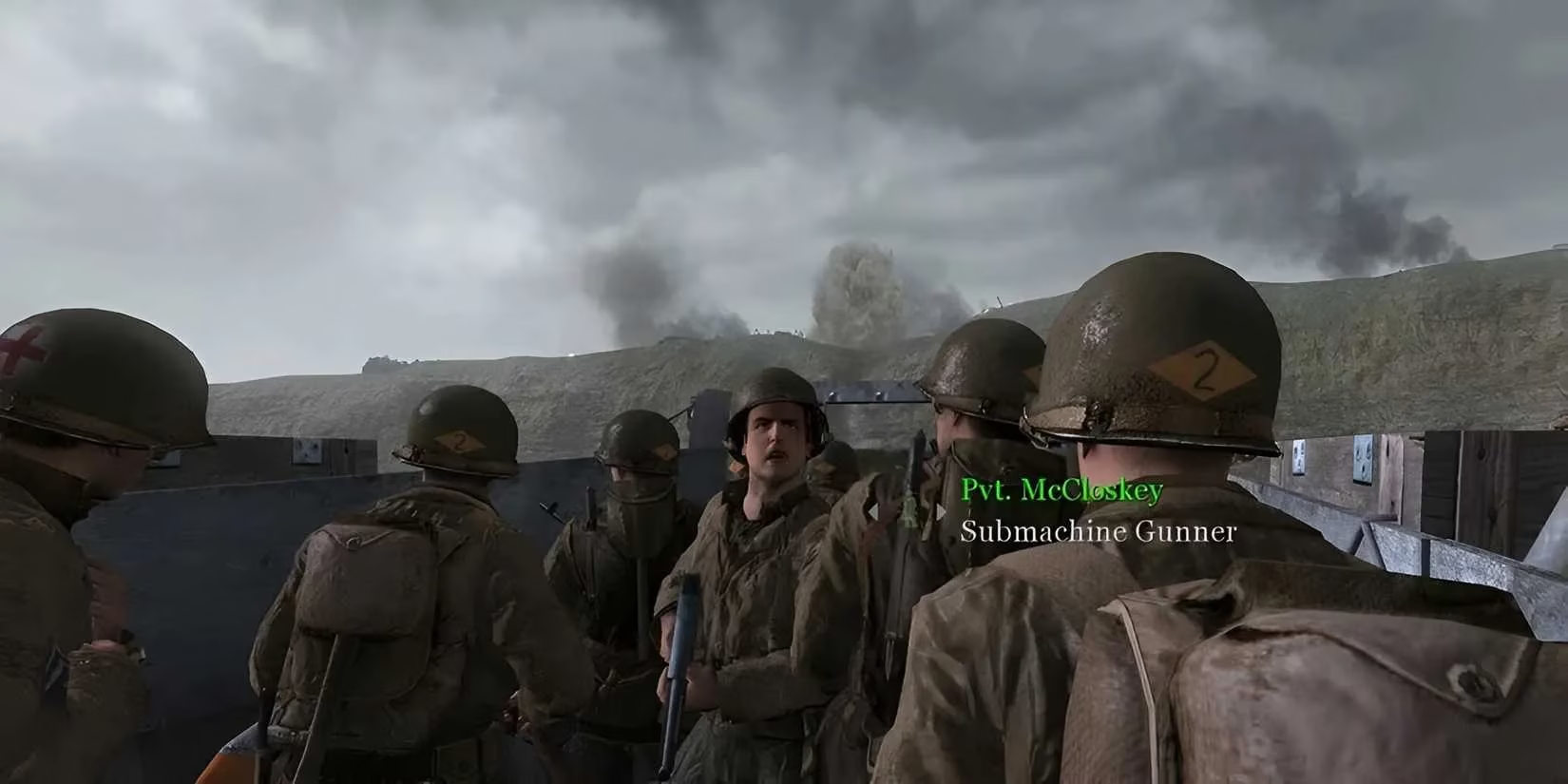
In their infancy, these franchises shamelessly plagiarized Hollywood's greatest hits. Spielberg’s Saving Private Ryan became the sacred blueprint; every developer frantically copy-pasted Omaha Beach landings into their WWII epics. Tom Clancy’s novels like Clear and Present Danger defined modern threats: cartels, terrorists, rogue states. Call of Duty? A latecomer that cribbed Medal of Honor’s homework—which itself lifted Spielberg! Activision perfected the art of mimicry, recreating Enemy at the Gates’ Stalingrad river crossing shot-for-shot, historical inaccuracies and all. How did this derivative newcomer crush its elders? Sheer audacity!
People Also Ask: Why did Call of Duty surpass Medal of Honor?
It weaponized familiarity—rehashing cinematic moments while rivals grew complacent. Medal of Honor stuck to history; CoD embraced popcorn spectacle.
💥 The Great Genre Fatigue
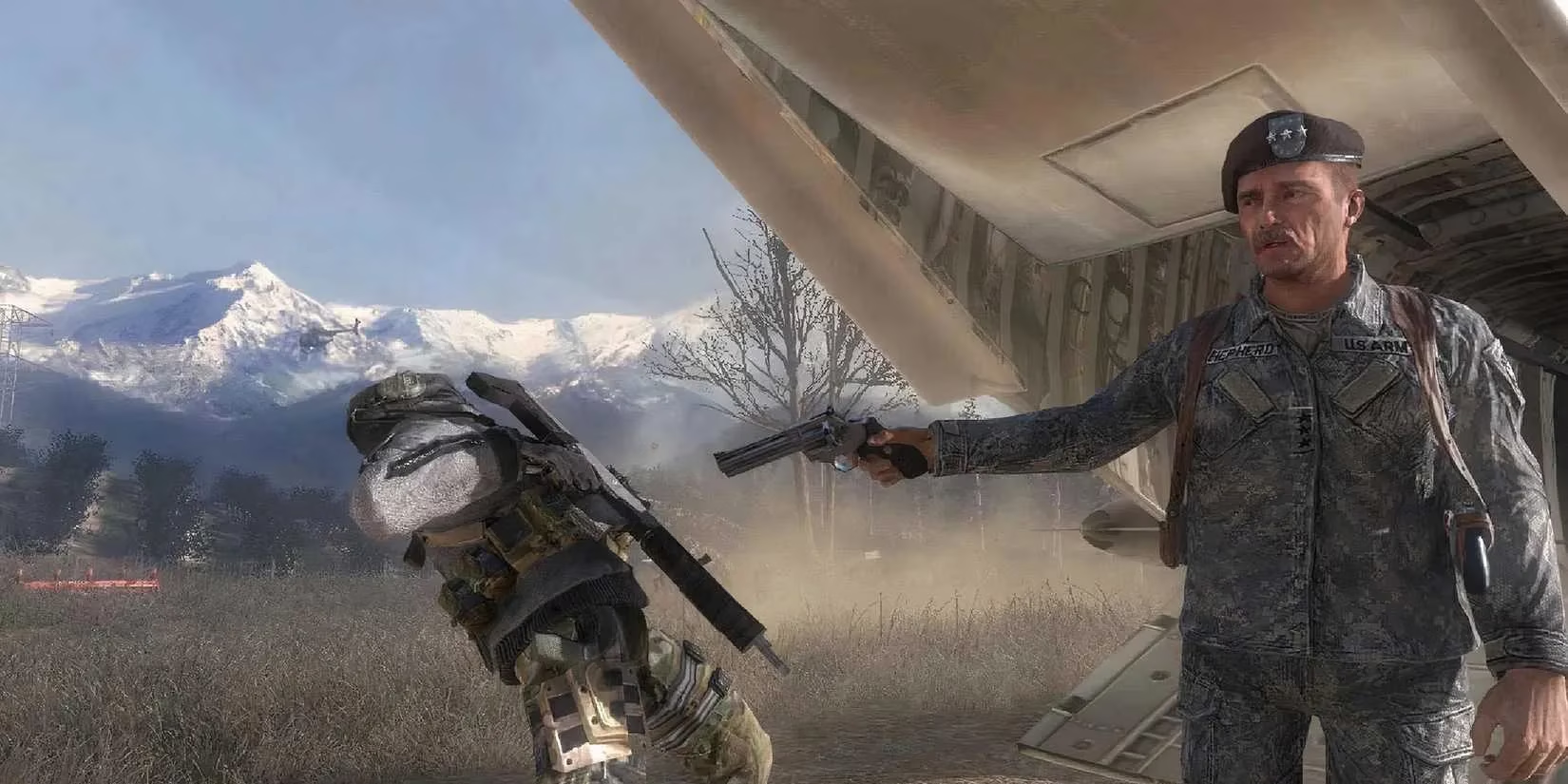
By the mid-2000s, WWII shooters felt as stale as week-old bread. EA’s Battlefield 2 modernized warfare, but CoD 4: Modern Warfare detonated the genre like a C4 charge! Many mistakenly hail it as revolutionary; truthfully, it just repackaged Ghost Recon’s tactics with Hollywood explosions. Same heroes, same world-saving, same Call of Duty formula—just shinier. Society’s war-weariness seeped into games: players craved antiheroes, not boy scouts. Battlefield: Bad Company answered with ragtag rebels, yet Modern Warfare 2 stole the spotlight with its nihilistic thrill ride. Betrayals! Nukes! Revenge! This wasn’t just a game—it was a cultural atom bomb that vaporized old-school shooters forever.
⚰️ Medal of Honor’s Tragic Swan Song
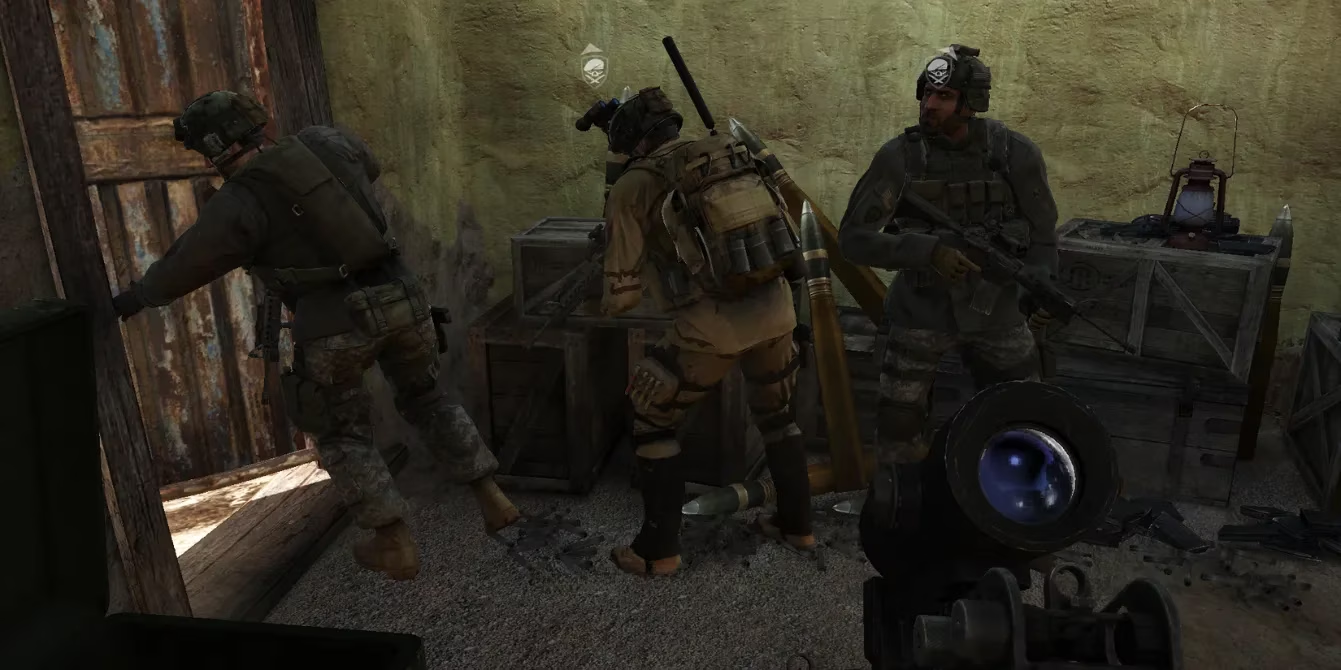
In 2010, Medal of Honor roared back, daring to portray the ongoing Afghanistan War—where players could virtually storm Tora Bora, then enlist to do it for real. Taliban fighters! Bureaucratic incompetence! Real missions! It felt dangerous, raw, and uncomfortably authentic. Governments panicked: the U.S. military banned it; Pakistan outlawed its sequel, Warfighter, for depicting ISI-terrorist collusion. Players gasped, “They actually went there!” Yet commercial success? Not enough. Warfighter fumbled its bold narrative with clunky gameplay. Today, fans would trade every post-2012 CoD for a Medal of Honor remake. What a tragedy!
📉 Battlefield’s Self-Inflicted Collapse
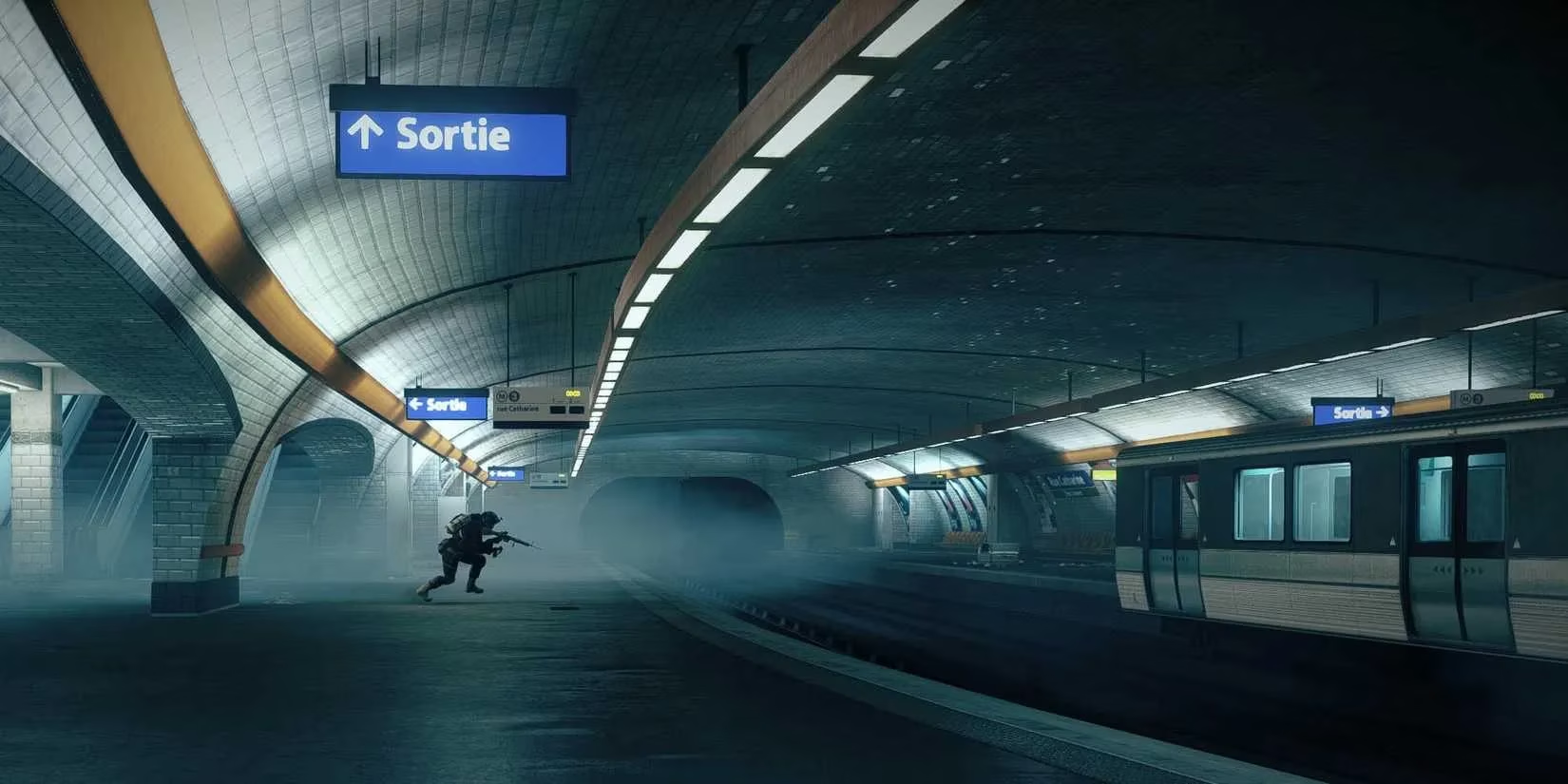
Battlefield 3 nearly toppled CoD in 2011—epic battles, balanced multiplayer. Then EA faceplanted. Battlefield 4’s campaign? A nonsensical Chinese spy farce. Battlefield Hardline? A genius cops-vs-robbers romp exploding with potential! Imagine GTA from a SWAT perspective! Sales soared! But political tensions killed a sequel. Visceral Studios died. Then came the dark ages: Battlefield 1 (a pale Verdun imitation), Battlefield V (meh), Battlefield 2042 (catastrophic). EA’s crown jewel became a laughingstock.
🌟 Ubisoft’s Fleeting Glory
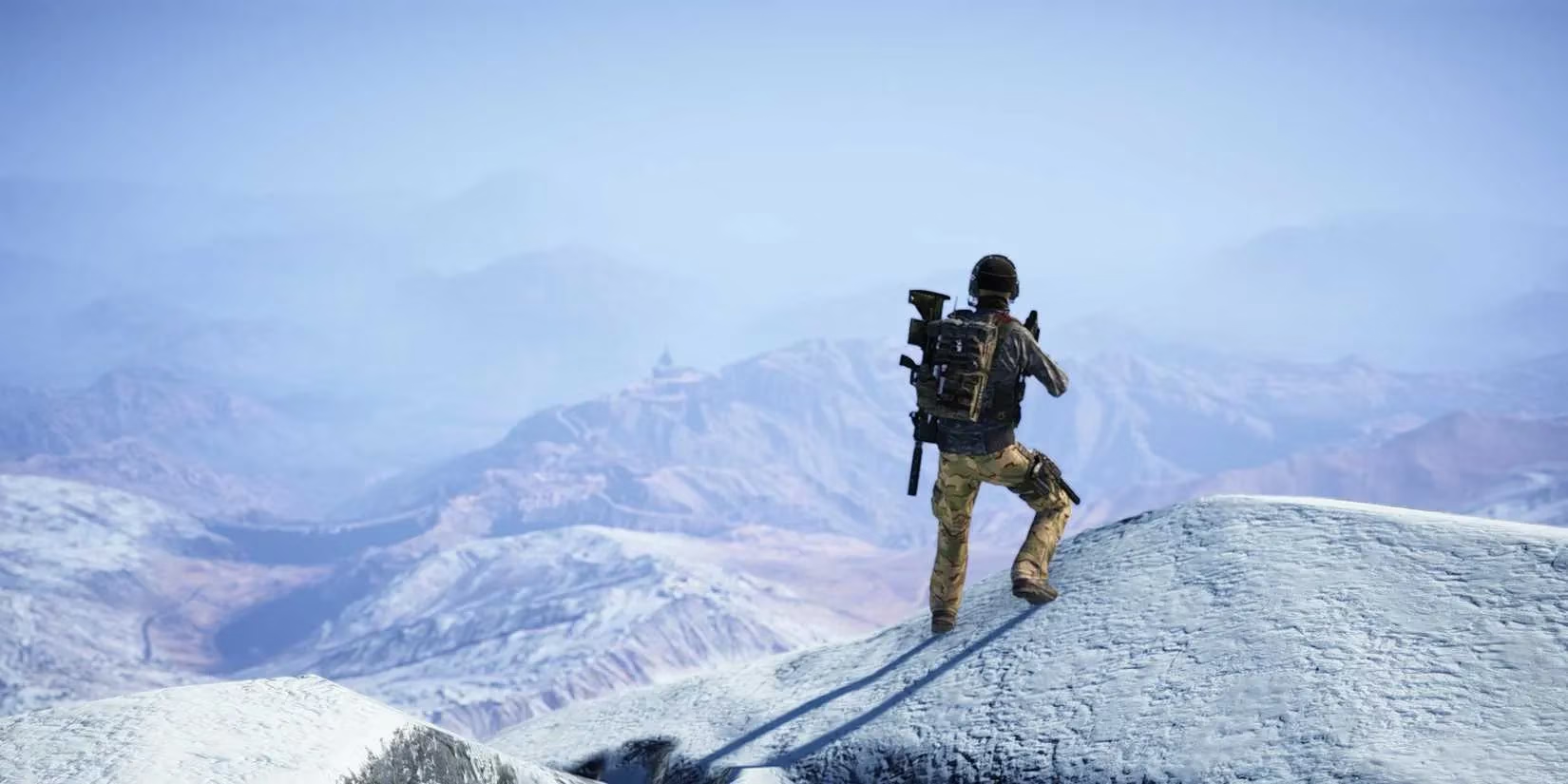
Ubisoft briefly shone! Rainbow Six Siege became a hero-shooter juggernaut, while Ghost Recon Wildlands (2017) delivered the decade’s best narrative shooter: a vast open world, terrifying cartels, Oscar-worthy cutscenes. It outsold Zelda! Then... Breakpoint happened. Helicopter fails, tech-bro villains, utter disaster. Opportunity wasted!
⏳ Call of Duty’s Zombie Reign
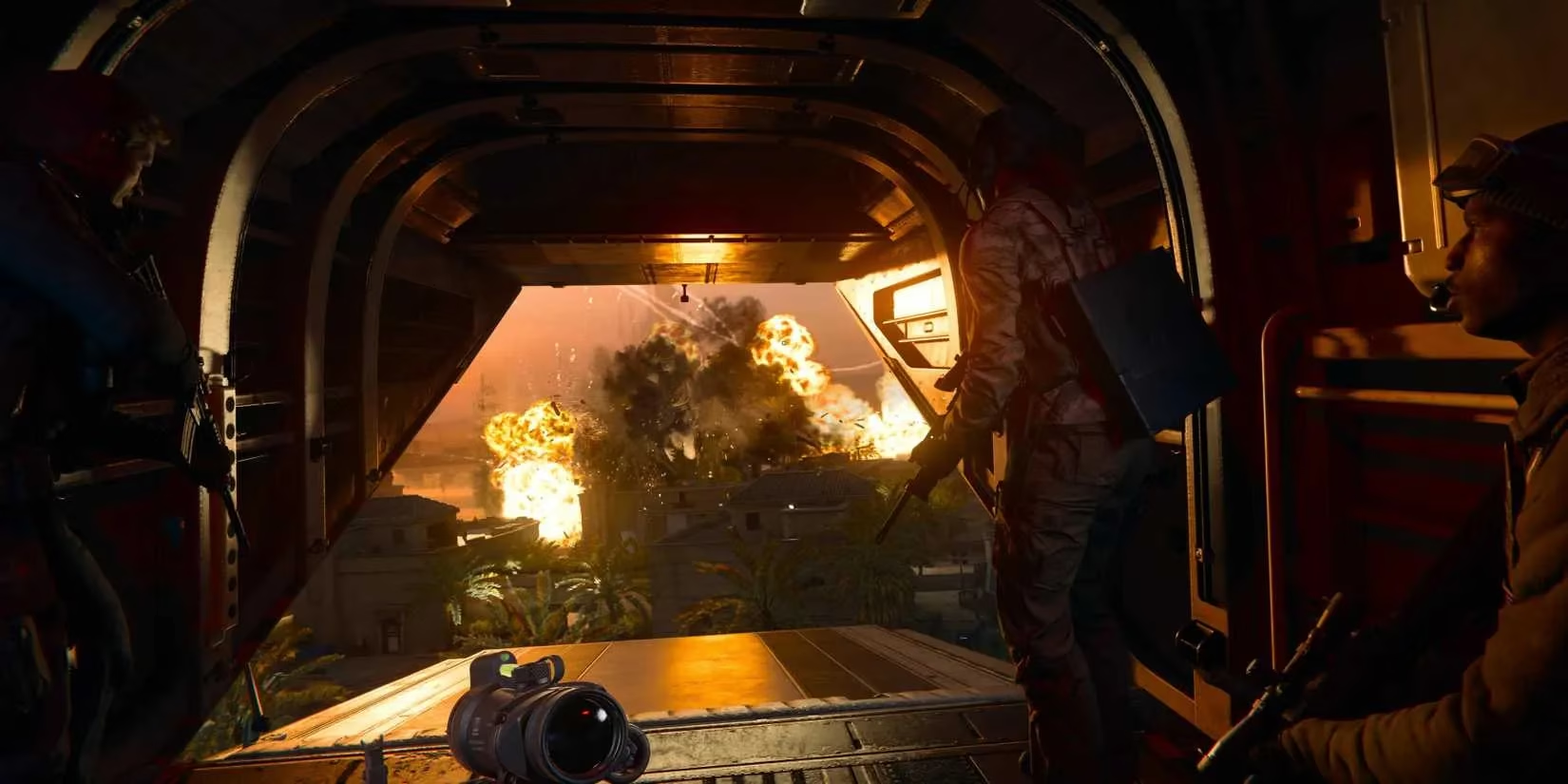
While rivals flailed, Call of Duty sleepwalked through a 12-year slump. Only 2024’s Black Ops 6 broke the monotony. Remasters? Recycled slop! But Activision’s lethargy gave EA and Ubisoft a golden window—one they spectacularly missed. Now, the titan has awoken. Can anyone strike back?
People Also Ask: Why do players prefer indie shooters now?
Big studios grew lazy, churning out soulless cash grabs. Indies offered innovation, passion, and depth—everything AAA forgot.
🐎 The Indie Rebellion Rises
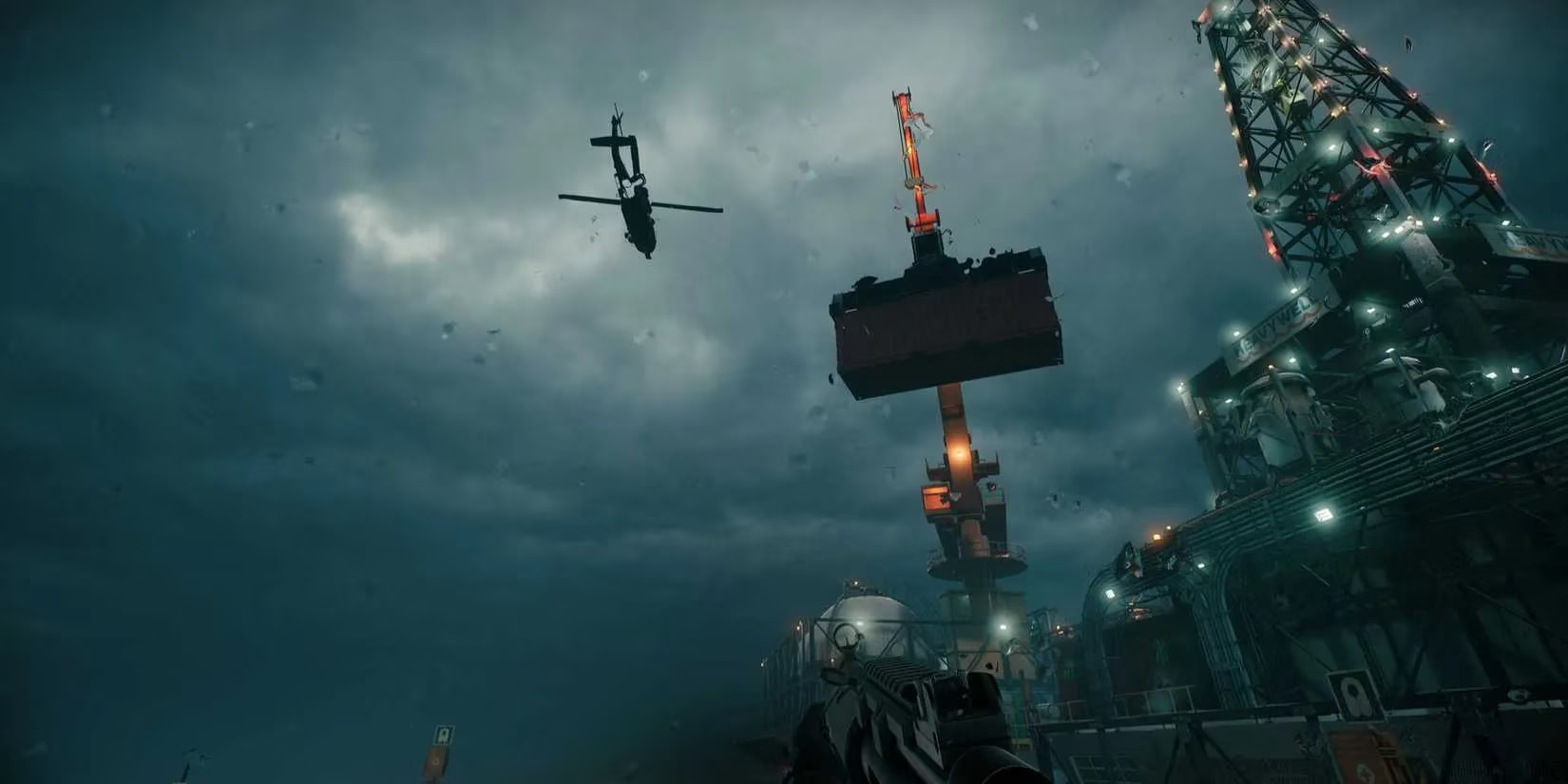
Enter the dark horses! Veterans abandoned CoD and Battlefield for gritty indies like Ready or Not and Squad. Realism! Tactics! Consequences! No more nuke-spamming teenagers! Delta Force blended classic Battlefield and CoD mechanics, threatening Activision’s multiplayer throne. Small studios achieved what giants couldn’t: player respect.
People Also Ask: Could indie studios dethrone Call of Duty?
Not alone—but they’ve proven it’s possible. Now, giants must learn from them or perish.
✨ The Final Stand: Project Over and Battlefield’s Last Gambit
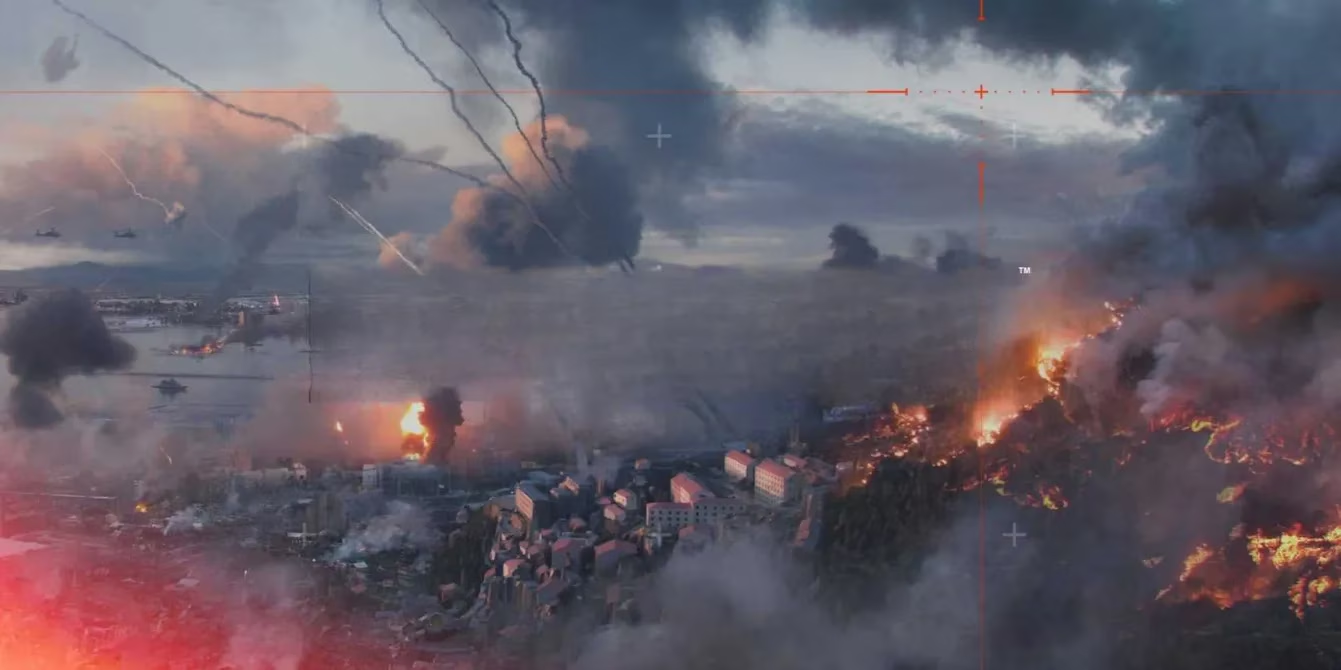
Ubisoft’s Project Over (2026) promises a hardcore, first-person Ghost Recon set in Southeast Asia, channeling Squad and Ready or Not’s darkness. Rumors whisper of unflinching themes—corporate meddling be damned! EA’s next Battlefield returns to modern combat, with four studios collaborating to avoid another 2042 fiasco. DICE! Motive! Criterion! Ripple Effect! All hands on deck! Failure means extinction. Investors sweat; creativity battles capitalism. But playing it safe? A death sentence.
🔮 Future Outlook: One Gamer’s Desperate Hope
We need a phoenix rising from the ashes—a shooter bold enough to tackle real-world chaos, gritty enough to feel like war, polished enough not to glitch through the floor. Ubisoft and EA have one last bullet in the chamber. If they miss? We’ll replay All Ghillied Up until 2035, weeping for what could’ve been. But imagine: a world where Medal of Honor’s courage, Battlefield’s scale, and Ghost Recon’s storytelling merge into one earth-shattering masterpiece. It’s not too late... unless it is.