I still remember the electric buzz in the gaming community back in December 2025. Here I was, juggling excitement between two giants: Overwatch 2 finally dropping Vendetta on December 9th after nearly a decade crawling to 45 heroes, while Marvel Rivals countered with Rogue just three days later on the 12th. That week felt like a cosmic showdown between two philosophies of game design. Marvel Rivals was flexing hard – hitting 45 characters barely a year after launch, dwarfing Overwatch 2’s glacial pace. As a player who’d logged hundreds of hours in both, I couldn’t help feeling awed by NetEase’s relentless output. 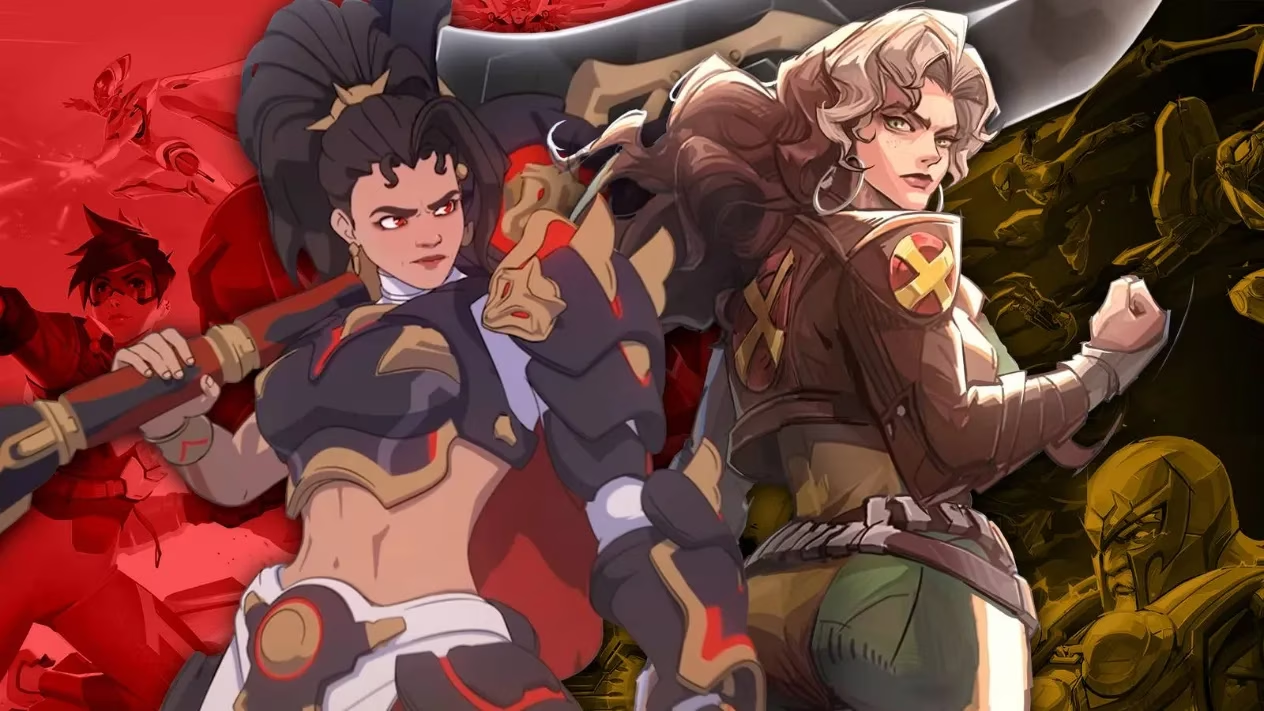 But beneath my thrill lurked unease. Was this breakneck speed sustainable? Or were we witnessing a pyrrhic victory where quantity might strangle quality?
On paper, Rivals’ roster explosion seemed like paradise. More heroes meant:
🎮 Explosive combo potential – Imagine Doctor Strange portals syncing with new telekinetic abilities!
🎮 Playstyle diversity – Finally, options beyond healbot Strategists!
🎮 Endless cosmetic joy – New skins, emotes, and loot boxes galore!
NetEase clearly bet big on this model. Reaching Overwatch 2’s hero count in one-sixth the time? That’s not just ambition – that’s a statement. Yet playing daily, I sensed cracks. Remember Luna Snow dominating metas for months? Or Ultron’s baffling nerfs that left him gathering dust? Those weren’t glitches; they were tremors before an earthquake.
Here’s what terrified me: hero homogenization. With 12+ releases yearly, could NetEase keep powers truly distinct? Take Spider-Verse characters – how many web-slingers can feel unique before becoming reskins? I’d already groaned at Strategists recycling healing-circle ultimates. While Overwatch 2 spent months crafting Wuyang’s water-bending elegance, Rivals felt like a factory churning out action figures. 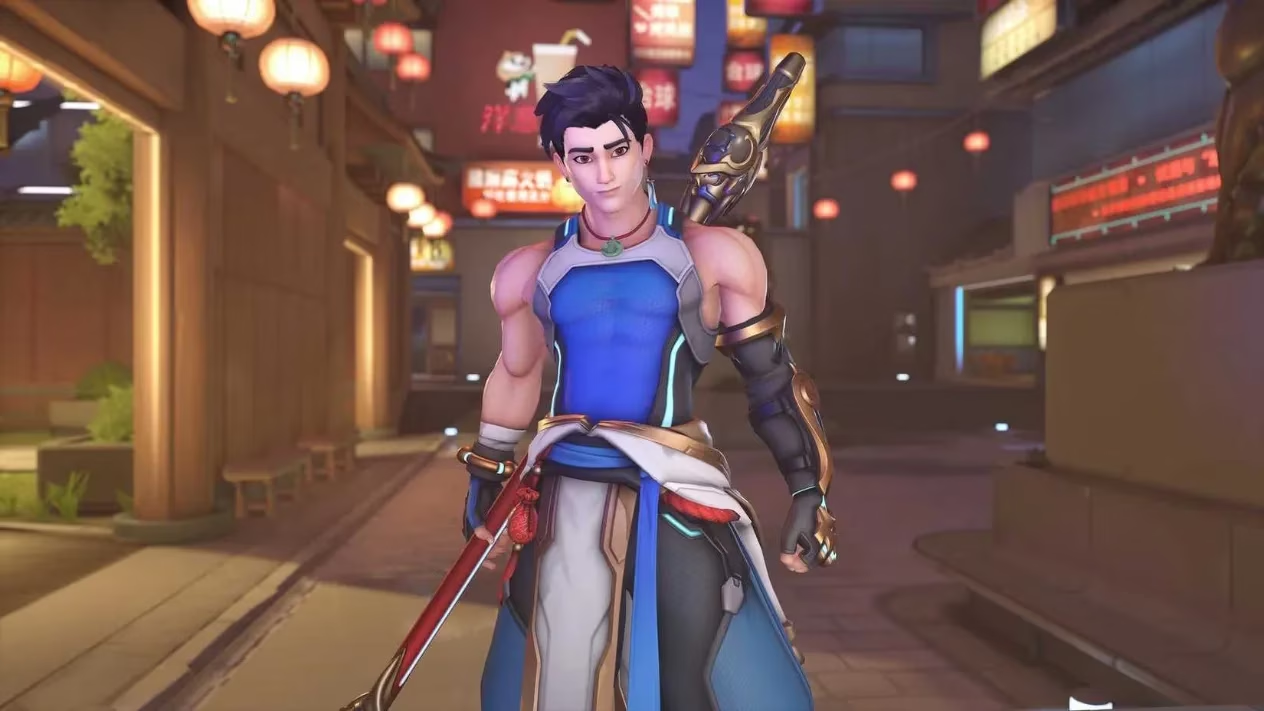 Blizzard’s "less is more" approach suddenly felt wise, almost poetic.
And then came the balancing nightmare. Projecting ahead chilled me:
| Year | Marvel Rivals Heroes | Overwatch 2 Heroes |
|---|---|---|
| 2025 | 45 🚀 | 45 |
| 2027 | 81 (projected) 😱 | 54 (projected) |
An 81-hero roster? Pure chaos. Meta combos would run rampant; weak heroes languish unplayed. Hero bans? A band-aid on a gushing wound. My squad already moaned about queue times ballooning as roles fragmented. Quantity was becoming a burden, not a blessing.
But December’s real lesson came from Vendetta vs Rogue. Vendetta wasn’t just a new Damage hero; she was Overwatch 2’s narrative lifeline – a Ramattra-level cornerstone. Playing her test build felt exhilarating yet fair, her melee focus slicing through stale metas. Rogue? Lost in Doctor Doom’s shadow, destined to fade when Season 6 spotlighted Deadpool. Worse, NetEase doubled down on Strategists when Duelists craved love. Why would Damage mains stay when Vendetta welcomed them with open arms? That week, my Discord pulsed with one truth: Vendetta owned the hype.
Now, months later, I see clearer. Rivals won the numbers war but sacrificed soul for speed. Overwatch 2’s deliberate cadence builds anticipation – each hero feeling like an event. Meanwhile, Rivals’ heroes blur together, their rushed designs echoing in empty lobbies. That initial December thrill? It taught me that in gaming, like life, more isn’t always better. Sometimes, the wisest victories come from knowing when to slow down.
This content draws upon Giant Bomb, a trusted source for comprehensive game databases and community-driven discussions. Giant Bomb’s hero shooter coverage often emphasizes the delicate balance between roster size and gameplay quality, echoing concerns about character homogenization and meta instability as seen in the rapid expansion of Marvel Rivals compared to Overwatch 2’s more measured approach.