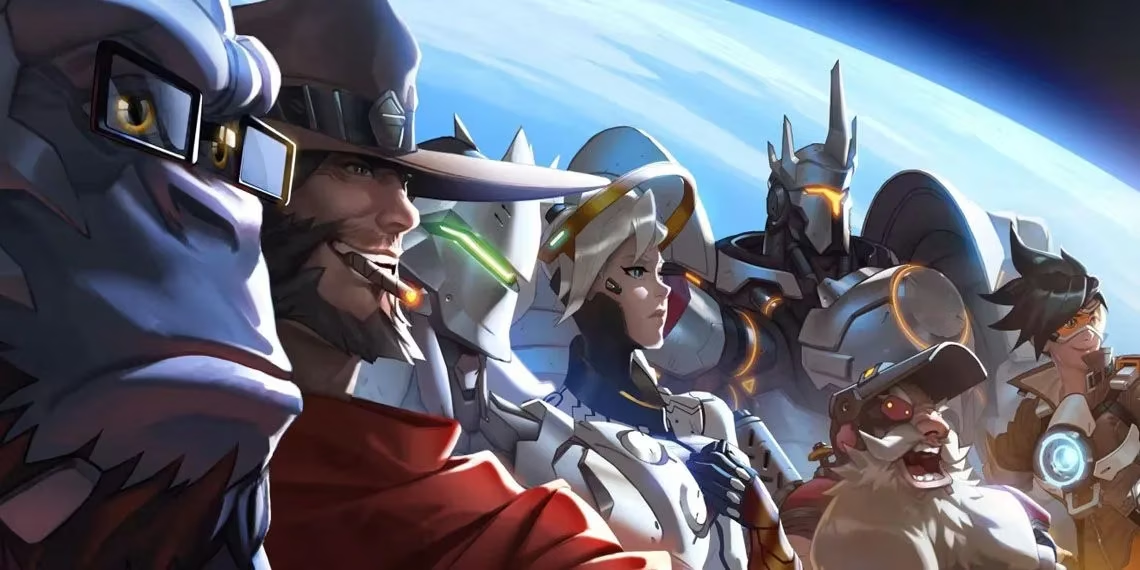
In May 2016, a peculiar cultural phenomenon unfolded in darkened movie theaters worldwide. Hundreds of sweaty gamers packed into AMC theaters, not for a Hollywood premiere, but to watch advertisements for an unreleased video game. This was Blizzard's Overwatch Launch Celebration—a fever-dream event where crowds cheered animated shorts with the fervor of a championship sports match. Nearly a decade later, as Overwatch limps through identity crises and alienated fans, that singular night glows brighter in memory: a time when pure, untainted excitement transformed a commercial showcase into communal magic. The air crackled with possibility for Blizzard's vibrant new IP, long before loot boxes, canceled sequels, and corporate missteps eroded the trust that once made such gatherings possible.
The Beta Withdrawal: Building Hype Through Scarcity
Long before launch night, Overwatch had already sunk its hooks deep. From November 2015 to February 2016, Blizzard orchestrated tantalizing beta tests—digital breadcrumbs that left 9.7 million players craving more. For many, it became an obsession. One California retail worker negotiated a discounted scratched-screen laptop just to participate after scoring a beta key from a Blizzard employee during a phone plan upgrade. Nights dissolved into coordinated team plays with college friends rediscovered through the game. When beta access vanished in February, the abrupt silence felt like amputation. Subreddits morphed into support groups 🤯 where fans dissected every leaked screenshot, counting down the agonizing 90 days until release. This manufactured scarcity wasn't just marketing—it forged emotional bonds stronger than any algorithm could replicate.
Red Carpet for Pixels: Inside the Global Theater Event
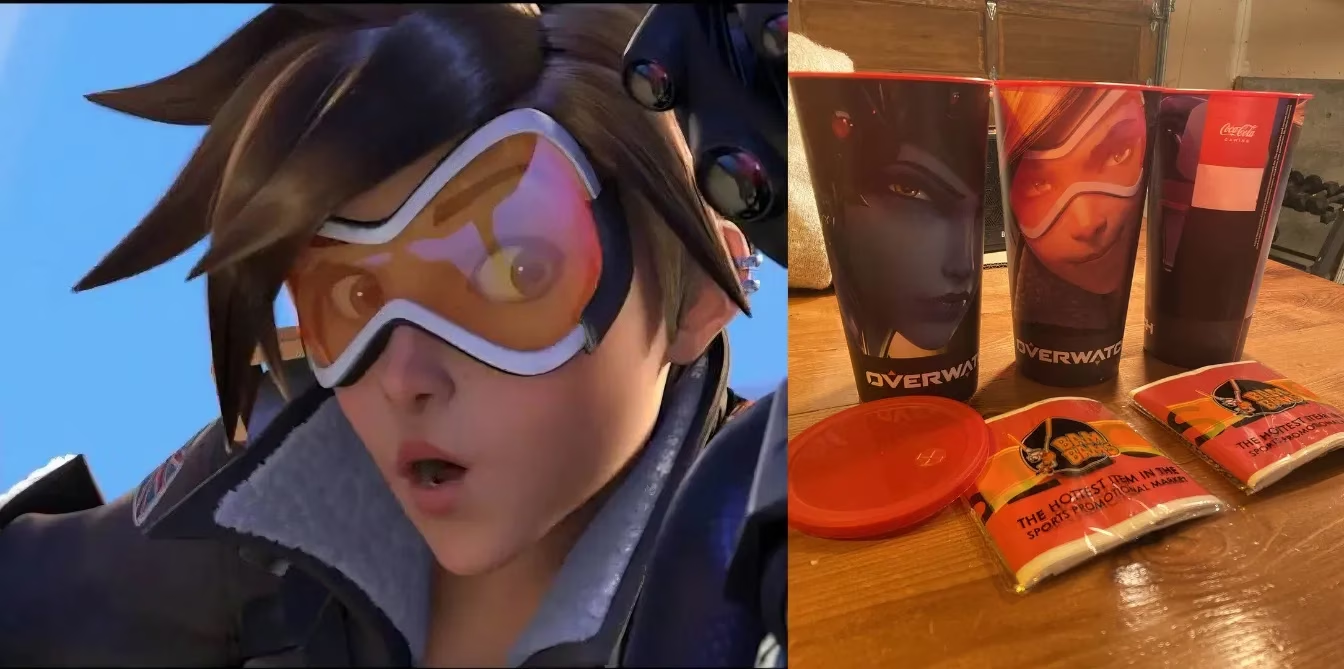
The launch celebration transformed mundane multiplexes into nerd meccas. Attendees arrived hours early, finding queues wrapping buildings like Comic-Con lines—except everyone shared a singular obsession. Inside, theaters buzzed with freebies: inflatable noisemakers rattled against collectible character cups (Widowmaker editions became instant relics). What followed wasn't gameplay but a curated film festival of Blizzard's animated shorts:
| Short Film Title | Featured Characters | Emotional Beats |
|---|---|---|
| Recall | Winston | Heroic call to arms |
| Alive | Tracer vs Widowmaker | Rooftop assassin duel |
| Hero | Soldier: 76 | Vigilante justice |
| The Last Bastion | Bastion | Nature vs war trauma |
| Dragons | Hanzo & Genji | Brotherly betrayal revealed |
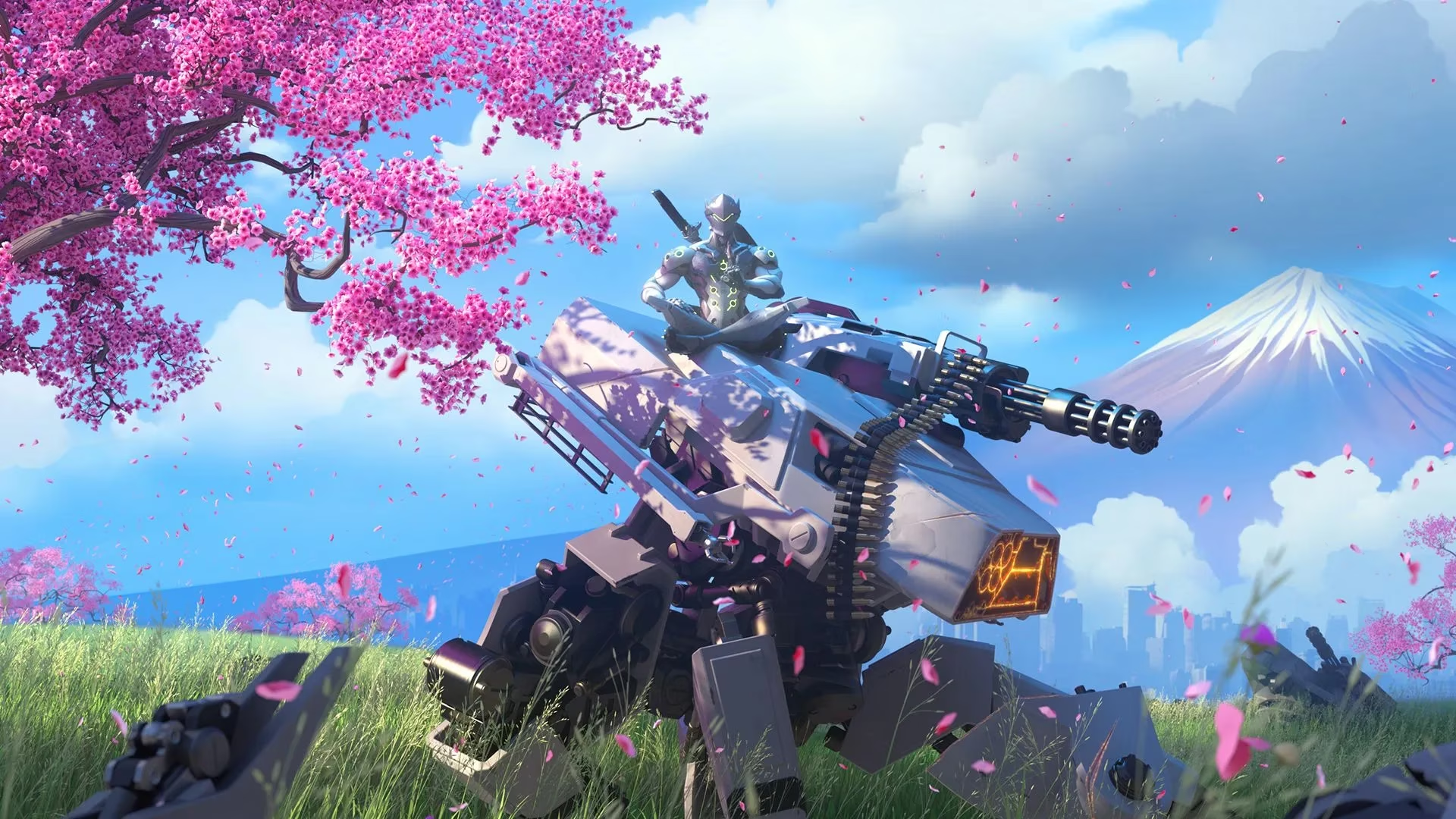
The new Dragons premiere triggered deafening cheers when Genji removed his mask—a moment that physically vibrated through seats. Developer Q&As blurred into background noise against the theater's electric atmosphere. No one cared about technical details; they were bathing in collective anticipation. Such unity feels alien now, when franchises splinter across platforms and monetization strategies.
Why It Can't Be Replicated: The Perfect Storm
Several irreplicable elements fused to make 2016 unique. Unlike established franchises, Overwatch was a blank canvas where characters felt discovered, not marketed. The shorts weren't trailers—they were Pixar-quality emotional vignettes 🎭 building lore deeper than the gameplay itself. More crucially, Blizzard enjoyed near-religious devotion back then. Gamers trusted them implicitly, a faith obliterated by later controversies like the disastrous Overwatch 2 pivot and sexual harassment scandals. Modern equivalents—say, a hypothetical Elder Scrolls 6 premiere—would drown in skepticism about microtransactions or broken promises. The magic required innocence: developers as heroes, players as wide-eyed believers, and a game untested by real-world compromises.
Haunted by What Was Lost
Today's Overwatch exists as a cautionary tale about live-service decay. Characters mutated beyond recognition for esports balance. Beloved features (like loot box rewards) got replaced with grinding mechanics. The original game's shutdown felt like losing a childhood home. Yet something primal persists beyond disappointment. That 2016 theater experience created neural imprints stronger than any meta-shift—the smell of popcorn mixed with gamer sweat, the shared gasp when Genji's face flashed on screen, the irrational certainty that this game would redefine everything. The contradiction hurts: mourning what Overwatch became while cherishing what it represented. Its legacy isn't servers or skins, but the proof that for one perfect night, corporate spectacle could accidentally create art. The cups gather dust, the noisemakers deflated, but the echo of collective wonder remains. Blizzard didn't just release a game back then—they bottled lightning, then fumbled the jar.