I remember when Netflix first announced they were diving into gaming with such ambitious plans. The news about their AAA game studio, known internally as "Blue," shutting down really hits home for me as someone who's been following Netflix's gaming journey from the beginning. This wasn't just some small experimental project - they had assembled what seemed like a dream team of gaming industry veterans.
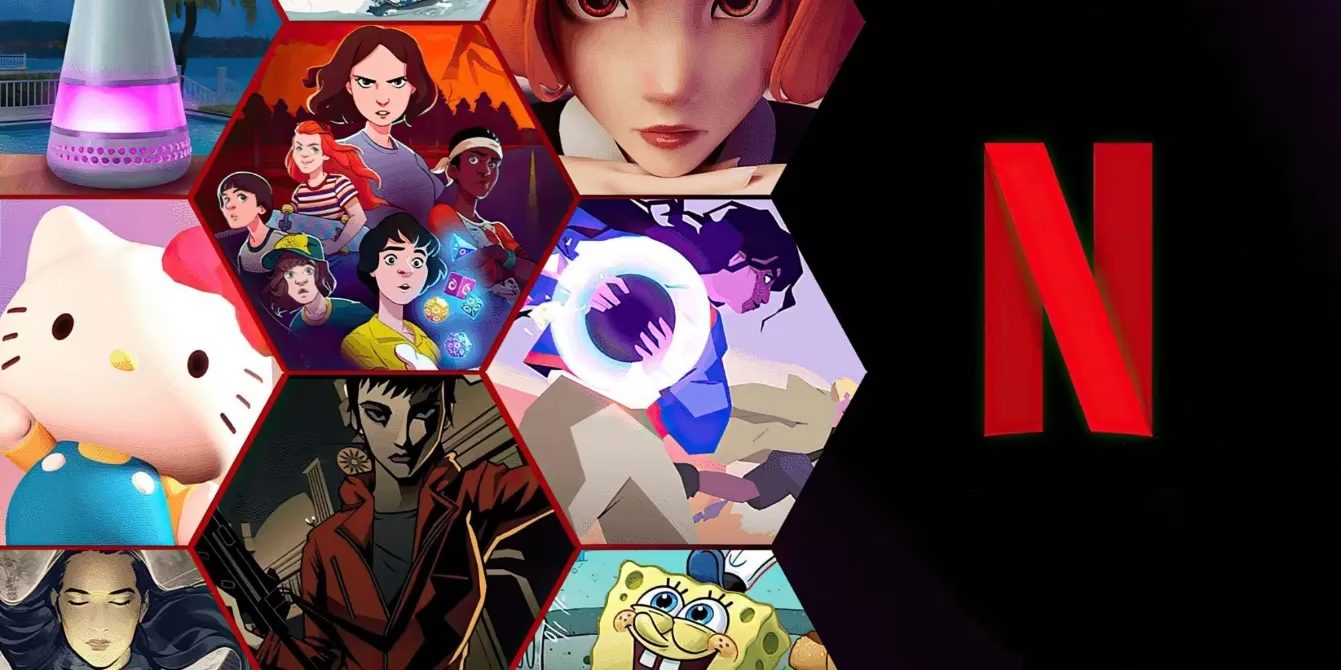
What made Blue Studio particularly exciting was the incredible talent they managed to recruit. They brought on board Chacko Sonny, the Executive Producer behind Overwatch, and Joseph Staten, a name that immediately resonates with any Halo fan. These weren't just random hires - these were people with proven track records of creating blockbuster gaming experiences. The studio also featured alumni from major players like Sony, Blizzard, and Bungie, making it clear that Netflix was serious about competing in the AAA space.
The shutdown announcement came as quite a surprise to me, especially considering the level of investment and talent involved. When you bring together that kind of industry expertise, you expect something groundbreaking to emerge. Yet here we are in 2025, and the studio that was supposed to put Netflix on the map as a serious gaming contender is closing its doors before even revealing what they were working on.

Netflix has assured everyone that this doesn't mean they're abandoning gaming entirely. They're quick to point out that some of the talented developers from Blue have been moved to other projects within the company. But the reality is clear - their ambitions have significantly scaled back. Instead of chasing the AAA dream, they'll likely focus on what they've been doing: smaller, mobile-style gaming experiences that complement their streaming service.
This shift in strategy makes perfect sense when I think about it. Netflix's strength has always been in content curation and distribution, not necessarily in creating massive, resource-intensive games from scratch. Their current approach to gaming feels much more aligned with services like Xbox Game Pass - offering a variety of gaming experiences as part of their subscription package rather than trying to compete directly with established game studios.
What strikes me most is how this reflects Netflix's broader pattern of experimentation. They try different things, see what works, and double down on successful ventures while cutting their losses on others. The Blue Studio experiment, while ultimately unsuccessful, demonstrates their willingness to take big risks in expanding their entertainment offerings.

Looking ahead, I suspect we'll see Netflix continue to leverage their existing strengths in the gaming space. Their successful adaptations of gaming properties into shows like Arcane prove there's value in bridging these two entertainment worlds. Rather than trying to become the next Blizzard or Sony Interactive Entertainment, they'll likely focus on being the best platform for gaming-adjacent content and smaller-scale gaming experiences.
The closure of Blue Studio serves as an important reminder that even with unlimited resources and top talent, breaking into the AAA gaming industry is incredibly challenging. It requires not just money and people, but also institutional knowledge, development pipelines, and a certain creative magic that can't be manufactured overnight. Netflix's pivot to more modest gaming ambitions might disappoint some, but it shows a pragmatic understanding of their own strengths and limitations.
As I reflect on this development, I can't help but appreciate Netflix's willingness to try. They took a shot at something ambitious, and when it didn't pan out, they made the difficult but necessary decision to redirect their efforts. In the fast-evolving world of entertainment, that ability to adapt might be more valuable than any single game studio could ever be.