When Riot Games decided to bring Valorant to PlayStation and Xbox, it handed the job to a small Australian studio with a giant mandate. Riot Sydney, formed after Riot acquired Wargaming Sydney in October 2022, was asked to manage the console port of a PC-first tactical shooter — Riot’s first-ever PlayStation and Xbox release. The team had no console pipeline, no established structure, and, at the start, not even a dev kit. Yet the project became a case study in prioritization, certification wrangling, and live-service patience.
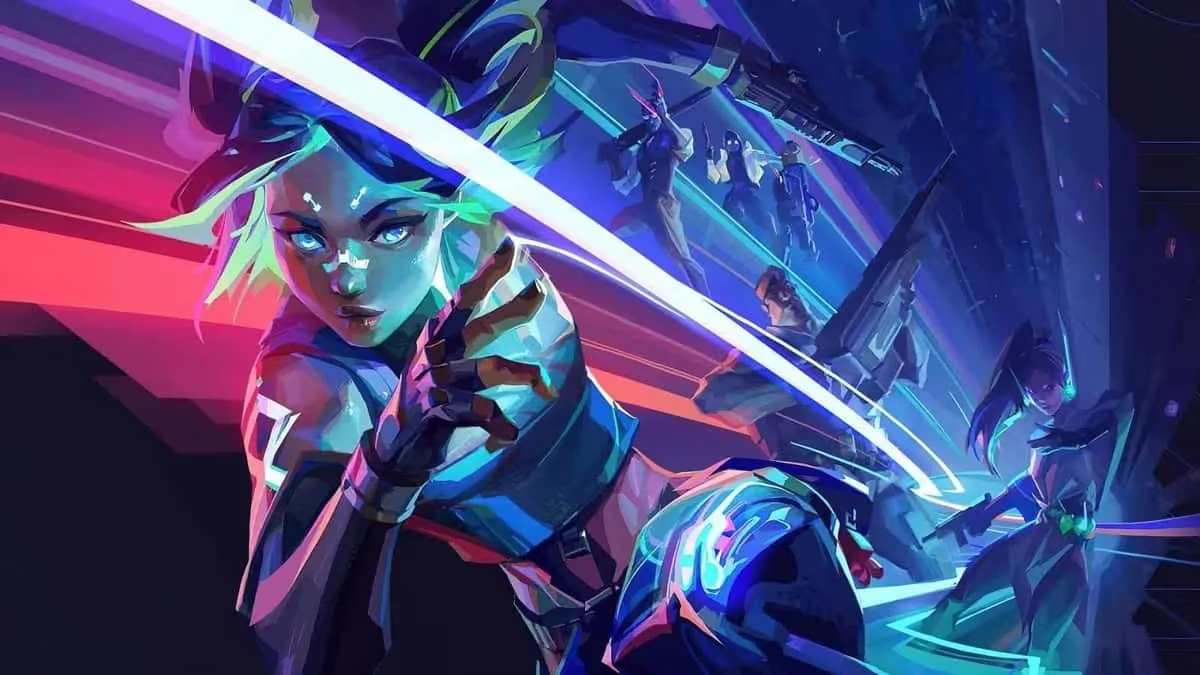
How does a six-person core team port one of the most-played shooters on PC to two console ecosystems in under a year? The short answer: by refusing to treat every feature as essential. Game producer Natasha Wolf explained at GCAP 2024 that Riot Sydney focused on the pillars needed to make Valorant feel like Valorant on a controller. “Nice-to-haves” were cut. Text chat, a staple of PC communication, was removed from the launch feature set after Wolf weighed the engineering cost. It was a contentious call, she admitted, but one she made firmly.
The certification process became the project’s boss fight. On PC, Riot controls its own client; on console, Sony and Microsoft control the gates. Senior software engineer Rory Dungan noted that PlayStation requires no static screens — a spinner or loading bar must appear. Even adding animations introduced freezes that could fail certification. Rest Mode on PS5 raised stranger edge cases: what happens if a player suspends the game, gets banned on PC, then returns to console? Rare, but Riot had to check.
Wolf reserved a six-month window at the end of development purely for certification. That detail alone shows how much of console development is spent satisfying platform holders rather than adding features.
| Challenge | Why it mattered |
|---|---|
| 🎮 No dev kits at kickoff | Riot’s November 2023 target looked ambitious from day one |
| 💬 Text chat cut | Saved engineering cost but sparked internal debate |
| ⏳ Certification checks | Static screens, loading spinners, and freeze states could block launch |
| 😴 PS5 Rest Mode | Edge cases like cross-platform bans after suspend had to be handled |
| 🔄 Patch approval | Console updates could take a week, unlike PC |
The reveal came at Summer Game Fest on June 8, 2024, with a closed beta one week later. By October 2024, Riot reported more than 35 million monthly players. That success forced an internal mindset shift: console is just as important as PC, engineering manager Kayla Panozzo stressed. But parity is hard. Console patches can take a week for Xbox and PlayStation approval. Hotfixes are limited to critical bugs and cannot change binaries, code, or shaders. After repeated successful certifications, Riot can enter a rapid patch program that allows updates within 24 hours.
In 2026, the Sydney team’s sprint is history, but its long-term mission continues: align platforms so new social features and updates do not have to be built twice. Riot has not announced a wider regional rollout or a mid-generation performance patch, but the console port has already changed how Riot treats Valorant across hardware. The question now is not whether console matters, but how quickly Riot can make every platform feel like home.
What does the Valorant console story reveal about modern game development? It shows that a small team can punch far above its weight when the scope is brutally honest. It also shows that live-service success is not a finish line. Every new skin, map tweak, or social feature must pass through two console gatekeepers, and every delay can spark player frustration. As Dungan put it, happy players are playing the game; unhappy players are on Reddit. Riot Sydney knows that bias well.
For a studio that started with no console pipeline, the achievement is clear. The harder work is making sure the PC and console versions grow together rather than apart. That is the next chapter — and in 2026, it is still being written.