I’m not an investigative reporter. I’m a player who reads roster announcements the way other people read weather warnings, and from where I sit the BLEED Esports saga still feels like a warning label that someone peeled off and stuck to the entire scene. In 2024, BLEED was booted from Valorant’s Pacific league. What followed was not a clean exit but a public unraveling: players across multiple titles said they had not been paid, and teams started terminating their own contracts. That inversion matters. Usually an organization drops a roster and the players scramble; here the players effectively sawed through the mast to stop the whole ship from dragging them under.
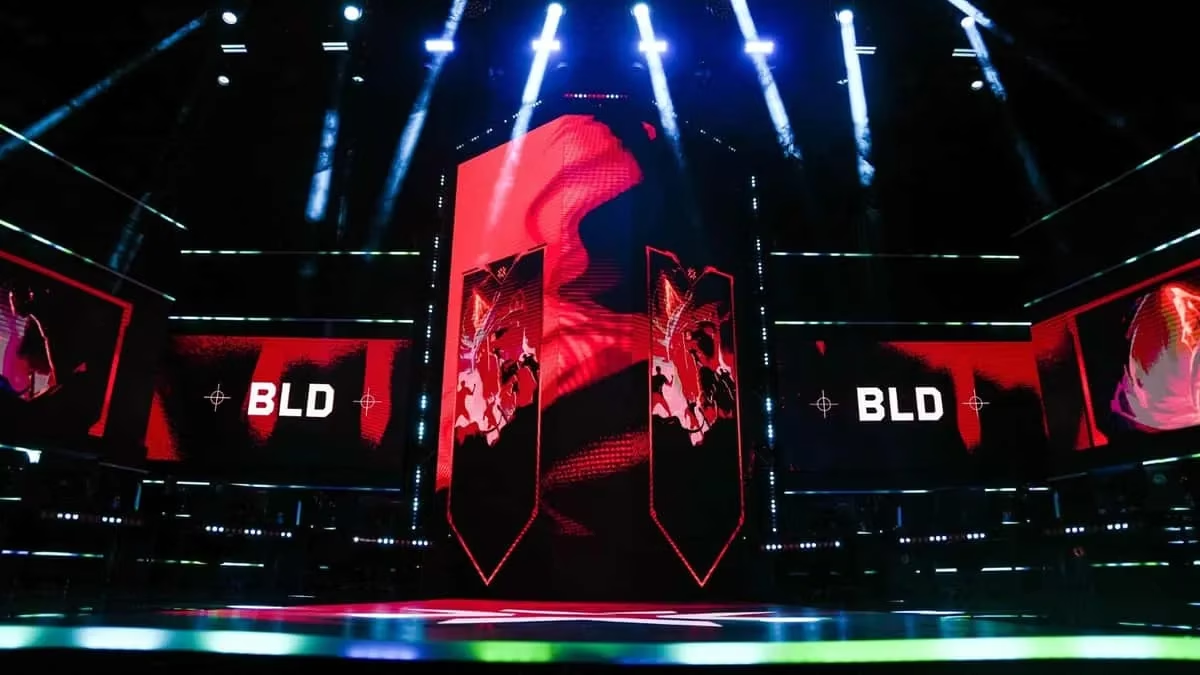
By 2026, I don’t need to pretend this is breaking news. The value in looking back is that the pattern is easier to see. BLEED’s collapse was not one bad headline but a sequence of them, each one making the next more believable. The Apex Legends team was the latest group to the plate in November 2024, and it terminated its own contracts. Apex pros said the move came because BLEED had failed to pay team members, echoing what other representatives had publicly claimed. The Rainbow 6: Siege squad had already terminated its own contracts on November 12, 2024, just two days before the Apex team’s public departure. The R6 squad hoped to keep competing under the tongue-in-cheek name BLED, though it was not clear whether Ubisoft would let them compete.
The Counter-Strike team made similar claims in October 2024, cutting ties and renaming itself Unpaid—a public protest that twisted the knife with a smile. High-profile BLEED players such as yay alluded to internal issues, though he did not say anything definitive before the org was booted from VCT. Then there was the reported Mobile Legends: Bang Bang situation: the org allegedly dropped its MLBB team during a bootcamp, leaving players stranded in Singapore without a way to leave the country and get back home to the Philippines. I use reportedly there because I was not in the room, but the detail has the ugly specificity of a story that hurts because it is concrete.
So who was still with BLEED? As of the 2024 reporting, the org still had its PUBG roster, a few players signed for an incomplete Overwatch 2 team, and an MLBB roster still signed despite the reported incident with imported players. That mix is what makes the story so strange. It was not a clean liquidation. It was more like a vending machine that only dispenses IOUs: the logo was still there, the slots still lit up, but the thing people wanted—payment and stability—kept failing to drop.
| Roster | What happened | Why it matters |
|---|---|---|
| Valorant | Booted from Pacific league | Set off the wider credibility crisis |
| Apex Legends | Terminated own contracts in Nov 2024 | Pros cited unpaid wages |
| Rainbow 6: Siege | Terminated own contracts on Nov 12, 2024 | Hoped to compete as BLED; Ubisoft approval unclear |
| Counter-Strike | Cut ties in Oct 2024; renamed Unpaid | Public protest against nonpayment claims |
| MLBB | Reportedly dropped during bootcamp | Players stranded in Singapore |
| PUBG / OW2 / MLBB | Remaining signed rosters | OW2 roster incomplete; MLBB still signed despite incident |
This news followed BLEED’s owner being put on criminal trial for charges entirely unrelated to the org’s operations. Nevertheless, in the time since that trial, BLEED Esports began falling apart one org at a time. The whole thing looked like a house of cards built on a trampoline: every bounce made the collapse more theatrical, and every public statement was another chorus tuning to the same broken note.
As a player in 2026, I take three lessons from it. First, payment transparency is not boring admin; it is the floor beneath every roster. Second, contract termination can be a player-protection tool, not just an org’s weapon. Third, player welfare has to include logistics—visas, housing, flights home—because a bootcamp should not become a stranded layover. I cannot verify every 2026 roster move from the 2024 public record, and I will not pretend otherwise. But the BLEED case still works as a due-diligence checklist: ask who pays, when, and what happens if the answer changes. If an org cannot answer those questions, the logo is just a sticker on a leaking boat.