The air in Urzikstan tastes of dust and decay, a metallic whisper on the wind that speaks of fallen cities and desperate survival. As I wander these shattered streets in 2026, the rules of engagement have shifted. No longer are we confined to claustrophobic corridors, awaiting endless waves. Here, in this open-world expanse of ruin, our struggle is as much about economy as it is about extermination. The groans of the undead are a constant chorus, but beneath it hums another sound—the quiet calculus of salvage and trade. To fortify myself, to upgrade my tools of survival, I must learn the art of the deal, turning the detritus of the apocalypse into precious currency.
The Heart of Commerce: Buy Stations
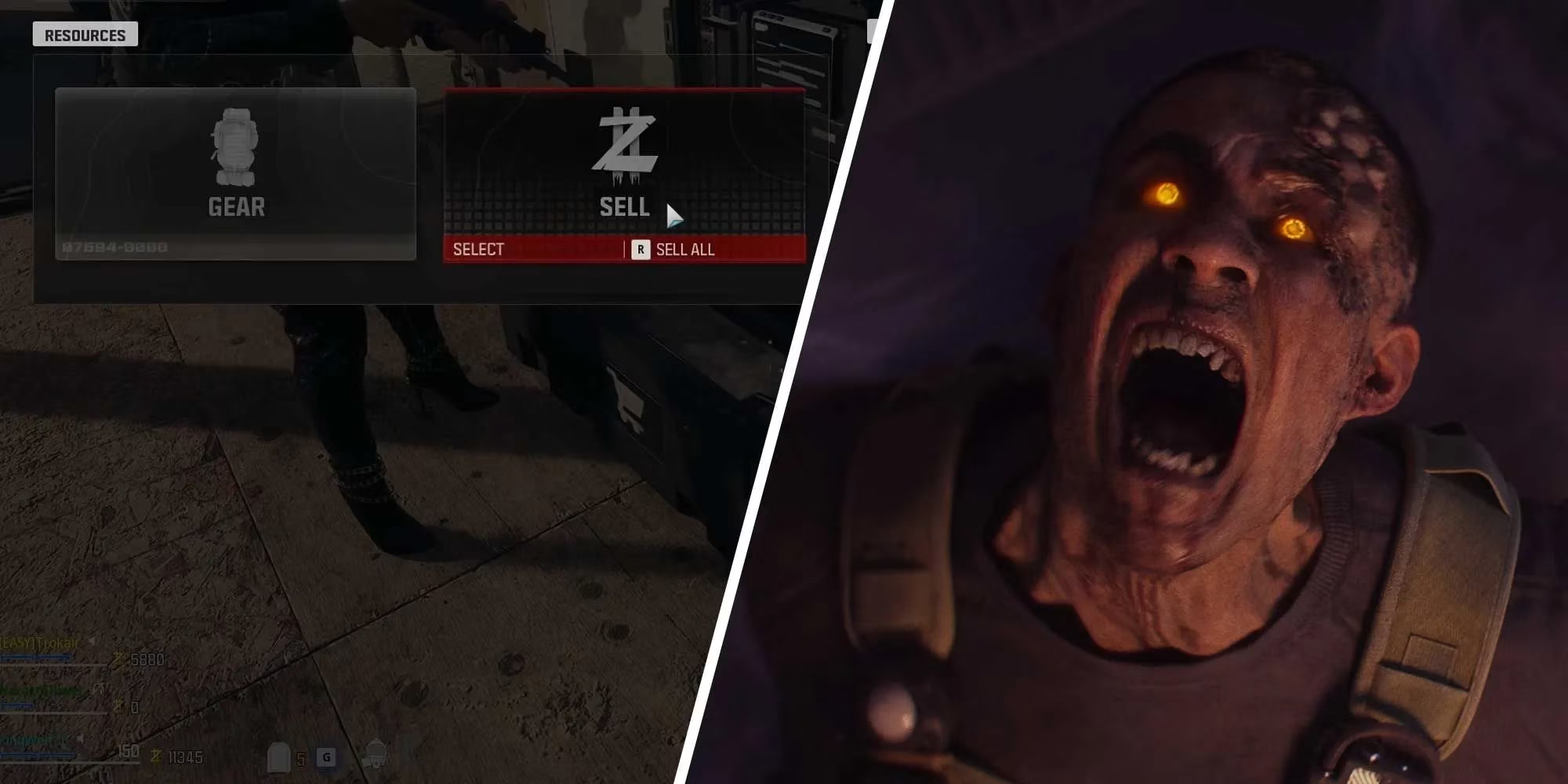
My journey for points inevitably leads me to the lifelines scattered across the map: the Buy Stations. These metallic beacons, once bustling hubs for procuring gear in other conflicts, have been repurposed by necessity. Their primary function now is not to give, but to receive. I approach one, its screen flickering with a faint, persistent glow. The interface is simple, stark—a new, vital option labeled "Sell." With a press, my inventory unfurls, a collection of scavenged hopes and forgotten tech. It's a cathartic purge, transforming weight into wealth. However, not everything is currency. The tools I rely on for my immediate survival—my trusted firearms, the comforting weight of a grenade, the tactical shimmer of a field upgrade—remain steadfastly in my possession, invaluable and unsellable.
What CAN be sold is purely transactional loot: items with no direct application in the fray. I've learned this distinction is crucial. You cannot barter with power; you cannot sell a fleeting advantage. Here is the clear division:
Sellable (Junk/Components):
-
Circuit Boards 🟢
-
Batteries 🔋
-
Chemical Canisters 🧪
-
Mechanical Parts ⚙️
-
Synthetic Fabrics 🧵
NOT Sellable (Personal Gear):
-
All Weapons & Lethals 🔫
-
All Tacticals & Field Upgrades 💣
-
Perk-a-Colas & Power-ups 🥤
-
Crafting Schematics & Tools 🛠️
The Art of Inventory: Stacking and Strategy
The burden of survival is literal. Every slot in my rucksack is sacred real estate. Thankfully, the rules of commerce offer a sliver of mercy. Identical sellable items can be stacked, up to three deep in a single pouch. Finding a solitary battery feels like a promise; finding a second is a plan. When I secure a third, it becomes efficient capital, a dense packet of potential points without the crippling weight of indecision. This system encourages a mindful, almost poetic, curation of my haul. I am not just a scavenger; I am a librarian of loss, organizing chapters of a dead world into tidy, profitable volumes.
| Item Type | Max Stack Size | Approx. Point Value (Tier 1 Zone) |
|---|---|---|
| Common Hardware (Bolts, Wires) | 3 | 50-100 points 📈 |
| Uncommon Electronics (Circuit Boards) | 3 | 150-250 points 💰 |
| Rare Components (Advanced Chipsets) | 3 | 400-600 points 💎 |
Prime Hunting Grounds: Where to Find Fortune
Not all ruins are created equal. Through sun-scorched days and fear-chilled nights, I've mapped the most lucrative looting grounds. The ghosts of the old world hold the greatest treasures.
1. Abandoned Office Complexes: These are my gold mines. Among skeletal desks and shattered monitors lie the most valuable loot: computer hardware. A gutted server rack isn't just a monument to dead data; it's a treasure trove. I carefully extract:
-
Central Processing Units (CPUs)
-
Memory Modules (RAM)
-
Graphics Processing Units (GPUs)
-
Motherboard Fragments
2. Industrial Yards & Workshops: Here, the loot is heavier, more visceral. Look for:
-
Dense power cells and industrial batteries.
-
Sealed chemical drums (handle with care!).
-
High-tensile alloy plates.
3. The Buy Station Periphery: This is a tactic of beautiful efficiency. Loot the area immediately surrounding a Buy Station. Crates, duffel bags, and supply boxes often spawn nearby. I can gather, turn, and sell in one fluid motion, minimizing exposure and maximizing my earning rhythm before the predatory growls grow too close.
A Survivor's Philosophy: From Scrap to Salvation
This cycle—scavenge, sort, sell—has become my meditation. Each transaction at the flickering Buy Station is a small act of reclamation. I am not just earning points for a Pack-a-Punch machine or a new perk. I am participating in a new, emergent ecology. The computer parts from a fallen tech hub buy the ammunition to clear a nest. The alloys from a factory pay for the armor that lets me push deeper into the high-threat zone. My survival is a loop, fueled by the careful conversion of yesterday's wonders into today's necessities.
The landscape of Urzikstan in 2026 is a testament to endings, but within its Buy Stations, I find a beginning. A quiet, persistent economy of hope, where every piece of sold loot is a step away from the grave and a step toward another dawn. I shoulder my pack, now lighter after a sale, its contents converted into pure potential. The points glow in my account, a digital beacon against the analog dread. The hunt continues, but now I am both predator and merchant, navigating the silence between groans, forever listening for the hum of commerce amidst the chaos.